




Introduction
As spring unfolds, redbud trees reveal a breathtaking display of pink and lilac blossoms that can transform any landscape. The moment the redbud tree blooms, your yard comes to life with color, texture, and a sense of seasonal renewal. But to keep those blooms vibrant year after year, it helps to understand what drives redbud tree blooms, how common problems arise, and what a skilled arborist from Davis Family Arbor can do to support your landscape. In this guide, you’ll discover practical steps to encourage healthy blooms, identify issues early, and partner with certified professionals who prioritize safety, tree health, and long term beauty.
Understanding redbud tree blooms
Redbud tree blooms are more than a pretty spectacle; they signal the tree’s health and its readiness to support a robust canopy down the line. These blooms typically appear in early spring, often before the leaves unfurl, creating a striking contrast against bare branches. A healthy bloom cycle depends on a combination of factors including light, soil drainage, moisture, and attention to bloom cycles that vary with climate and species. For homeowners seeking to maximize beauty while preserving tree vitality, recognizing the water needs and soil preferences of redbud trees is essential. If you’re curious about how to cultivate the most vibrant redbud tree blooms, your first step is to assess your site and set realistic expectations for bloom color, duration, and repeat performance from year to year.
A practical way to understand bloom performance is to consider the tree’s environment. Redbud trees thrive in well drained soils, moderate moisture, and full sun to light shade. When these conditions align, the tree can produce abundant blooms that attract pollinators and set the stage for healthy growth through the growing season. If your landscape has drainage challenges, you may see stressed foliage or uneven bloom production. This is where a professional evaluation from Davis Family Arbor can help you balance aesthetics with arbor health, ensuring that your redbud tree blooms remain a focal point rather than a symptom of underlying problems. Learn more about our approach by visiting our services page at https://davisfamilyarbor.com/services.
Common challenges affecting redbud tree blooms
Even the most stunning redbud tree blooms can be marred by common issues that reduce bloom quantity or shorten bloom time. Understanding these challenges helps you distinguish between cosmetic symptoms and more serious threats to tree health.
– Insufficient light: Redbud trees require adequate sunlight to trigger robust blooming. In shaded yards, blooms may be sparse, and the overall growth can become leggy.
– Water stress and soil drainage: Both drought and overwatering can stress the tree, limiting bloom production and compromising root health. Proper irrigation tailored to your soil type is key.
– Nutrient imbalances: While a heavy fertilizer can promote leafy growth at the expense of blooms, a balanced feeding plan supports both flowering and overall vigor.
– Physical damage during pruning: Pruning at the wrong time or removing too much wood can disrupt bloom cycles and invite secondary stresses.
– Pests and diseases: Insects or fungal diseases can weaken the tree and diminish blooms. Root rot, for example, is a concern in poorly drained soils, and it can undermine both blooms and long term tree health if not addressed.
If you notice thinning blooms, unusual leaf discoloration, or signs of stress, a professional assessment can help identify whether root issues, irrigation problems, or disease are at play. For proactive bloom support and prompt diagnosis, you can rely on Davis Family Arbor, whose certified arborists bring specialized training to diagnose and treat issues affecting redbud tree blooms. Explore services that cover pruning, health assessments, and integrated care at https://davisfamilyarbor.com/services.
Pruning and care practices to maximize redbud tree blooms
Careful pruning and ongoing maintenance are powerful tools for sustaining redbud tree blooms. The right pruning strategy preserves bloom wood, promotes strong structure, and reduces the risk of disease. Here are practical guidelines to help you support redbud tree blooms:
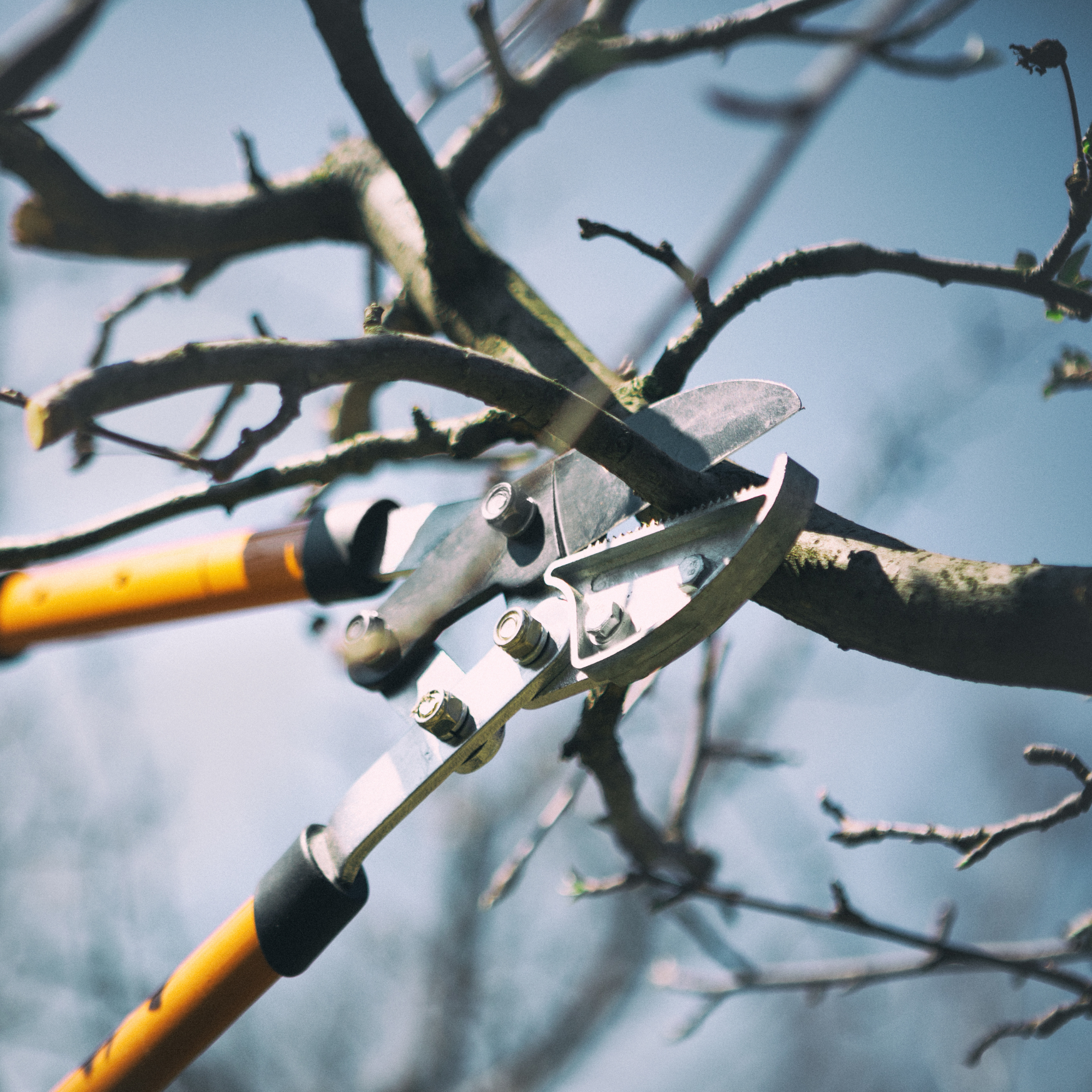
– Prune at the right time: The ideal time to prune a redbud is during the dormant season, before buds swell in spring. This timing minimizes stress and helps protect the bloom wood that carries next year’s flowers.
– Avoid heavy pruning during bloom years: Excessive pruning in bloom years can remove flowering wood and diminish next season’s blooms.
– Encourage healthy structure: Focus pruning on removing dead, damaged, or crossing branches to improve airflow and overall vitality, which in turn supports better bloom formation.
– Fertility that supports blooms: Choose a balanced, slow release fertilizer applied in accordance with soil test recommendations. Avoid overfeeding nitrogen-heavy formulas that encourage leaf growth over flowering.
– Mulch and soil health: Apply a 2 to 3 inch layer of organic mulch around the root zone to preserve moisture and soil temperature, but keep mulch away from trunk contact to prevent rot. Healthy soil supports root systems that in turn sustain robust redbud tree blooms.
For tree care that aligns with bloom cycles and safety standards, consider partnering with a certified arborist. Our team brings training in safe pruning practices and bloom-friendly care. Learn more about pruning and care options on our Services page at https://davisfamilyarbor.com/services or reach out to discuss your tree’s unique bloom profile.
Root rot and other threats to redbud tree blooms
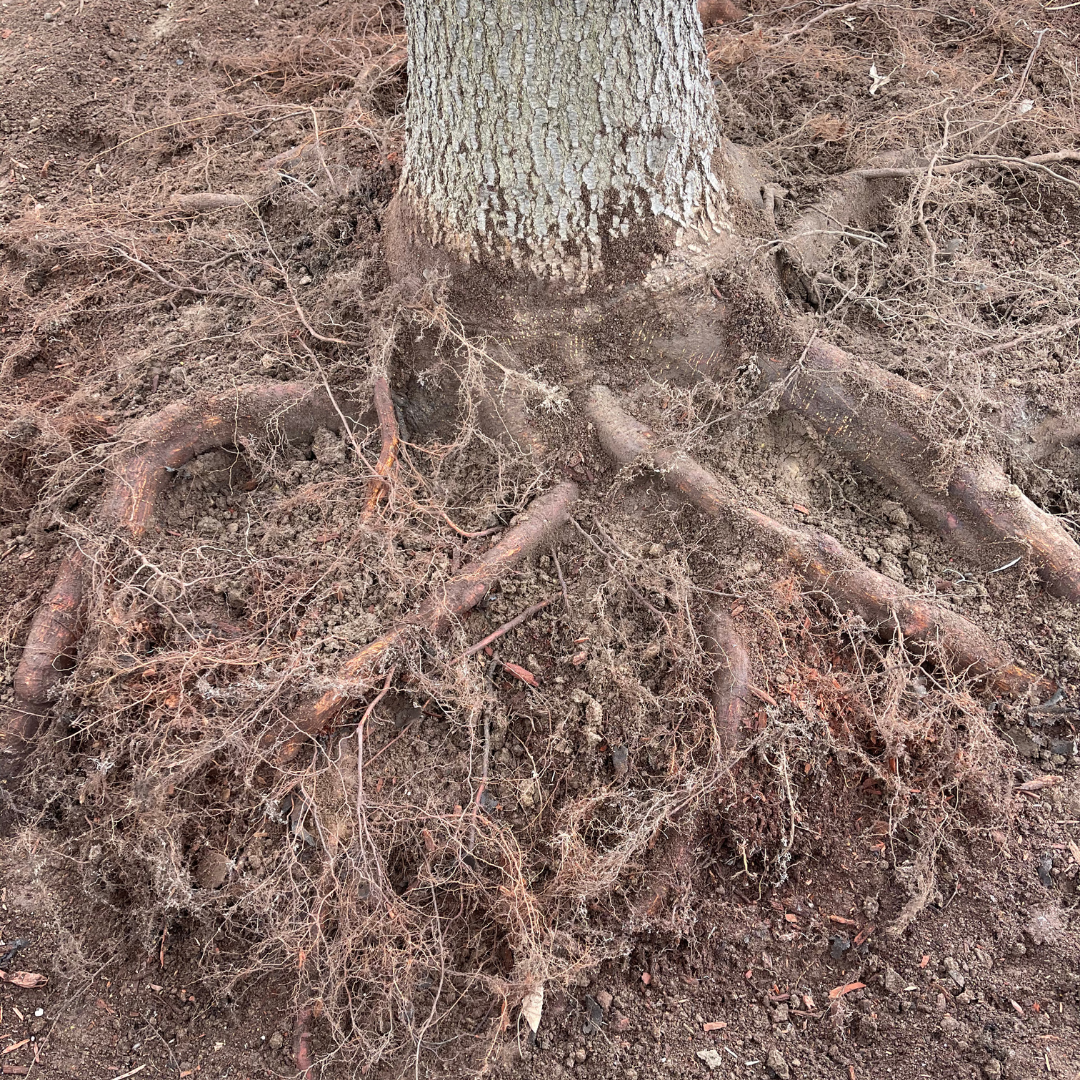
Root rot is a notable threat to redbud tree blooms because it undermines the root system that supports the entire canopy and bloom production. In poorly drained soils or landscapes with chronic wet periods, Phytophthora and other root pathogens can cause root decline, leading to reduced bloom vigor, leaf drop, and even tree decline. Early detection is critical; signs include discolored roots, a musty soil smell, and overall poor vigor in tandem with sparse or faded blooms.
Addressing root rot requires a combination of improved drainage, soil amendments, and, in some cases, targeted treatment. A professional assessment helps determine whether drainage improvements, aeration, or soil modifications are needed, and whether irrigation practices should be adjusted to prevent excess moisture around the root zone. In addition to root rot, other threats to redbud tree blooms include pest pressures, canker diseases, and nutritional imbalances. A proactive care plan from a knowledgeable arborist can make the difference between a fleeting spring display and a long lasting, healthy bloom cycle.
For homeowners dealing with potential root health issues or bloom concerns, Davis Family Arbor offers diagnostics and treatments guided by certified arborists. We provide root health assessments, flexible treatment options, and recommendations tailored to your landscape. If you’re exploring solutions for root health or bloom maintenance, you can review our approach on the Services page at https://davisfamilyarbor.com/services, or contact us to schedule a consultation.
Partnering with Davis Family Arbor to protect and enhance redbud tree blooms
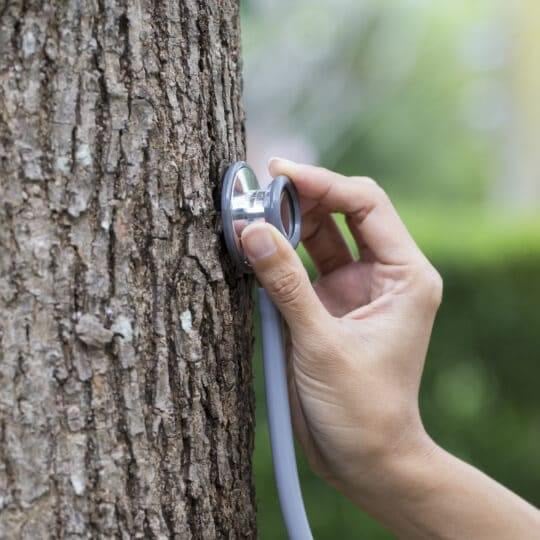
Choosing the right partner to care for redbud tree blooms means selecting a team that understands tree biology, seasonal bloom cycles, and the practical realities of home landscapes. Davis Family Arbor brings certified arborists who can diagnose conditions, implement safe pruning, and develop a bloom friendly care plan that aligns with your goals for color, succession, and tree health.
What a professional assessment can include:
– A site evaluation to determine light, drainage, and soil conditions affecting bloom potential.
– A disease and pest inspection to detect threats before they affect bloom production.
– A tailored pruning plan that protects bloom wood while improving structure and vigor.
– Soil testing and targeted amendments to balance nutrients and support robust blooms.
– An actionable maintenance schedule that aligns with your landscape’s bloom cycles.
If you’d like to learn more about how our team can support your redbud tree blooms, consider exploring the Services page for a comprehensive view of pruning, health care, and maintenance options. You can also read about our approach on About Us to understand the expertise and care philosophy that guides every interaction, and when you’re ready to discuss a plan or request a fast quote, visit our Contact page.
Practical homeowner tips to support redbud tree blooms between professional visits
While professional care is invaluable, homeowners can take practical steps to support redbud tree blooms between visits from Davis Family Arbor. Here are actionable tips you can apply this season and in future years:
– Monitor moisture and drainage: Keep soil evenly moist but not waterlogged. If your soil drains slowly or puddles after rainfall, consider improving drainage with grading adjustments or planting in raised beds where appropriate.
– Protect bloom wood during high winds: Blooms can be highly visible and vulnerable to wind damage. Provide wind breaks where feasible and avoid heavy pruning that reduces the tree’s natural defense.
– Schedule regular inspections: A routine check helps catch issues early, ensuring that redbud tree blooms remain vibrant across multiple seasons. You can start by reviewing our service options and scheduling a visit via the contact page.
– Mulch thoughtfully: Mulch enriches soil and regulates moisture, but keep mulch a few inches away from the trunk to prevent trunk rot, which can indirectly affect bloom health.
– Water during dry spells: Extended dry periods can stress the tree and blunt blooms. If rainfall is lacking, a deep, slow soak encourages deep root growth and supports healthier blooms.
Internal links for more information and next steps
To learn more about our approach to tree care, pruning, and general services, you can explore:
– Our Services page for a full range of offerings including pruning, health assessments, and maintenance at https://davisfamilyarbor.com/services
– Tree Removal services if a tree is beyond recovery and needs to be replaced or relocated at https://davisfamilyarbor.com/services/tree-removal
– Tree Trimming details that focus on shaping and bloom-friendly pruning at https://davisfamilyarbor.com/services/tree-trimming
– About Us to better understand the team behind the care at https://davisfamilyarbor.com/about-us
– Contact to start a consultation or request a fast quote at https://davisfamilyarbor.com/contact
Why Davis Family Arbor stands apart in supporting redbud tree blooms
When your landscape relies on the beauty of redbud tree blooms, you want an arborist team with hands on experience, safety training, and a commitment to long term tree health. Davis Family Arbor brings certified professionals who combine horticultural knowledge with practical expertise to deliver results you can see and rely on. Our approach emphasizes careful assessment, precise pruning, disease and pest management, and clear communication about treatment options and timelines. Whether you’re planning a spring display, aiming to maintain a mature tree’s health, or seeking