



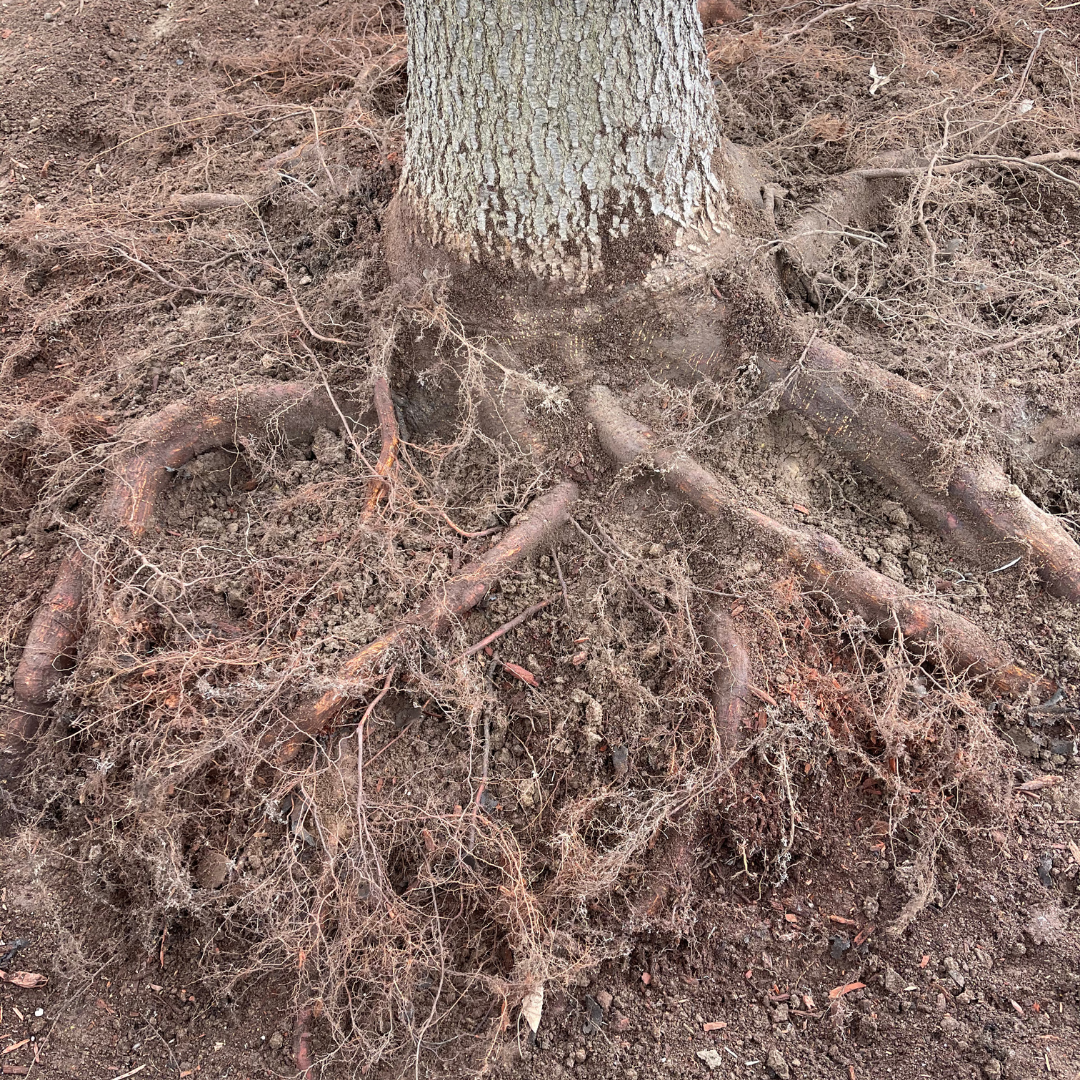
Understanding Root Rot in Tulsa Trees
Tulsa’s climate can turn a beautiful landscape into a battleground for root rot. When the roots of a tree begin to fail, the entire organism suffers—leaves fade, branches thin, and the tree’s resilience drops. If you’re searching for an arborist near me, you’re likely trying to find a local, trusted expert who can evaluate, diagnose, and protect your trees. This article provides a clear, practical guide to root rot in Tulsa trees, why it happens, how a professional arborist near me approaches the problem, and what Davis Family Arbor can do to help your yard stay healthy.
Signs that your tree may be suffering from root rot
Root rot often hides beneath the soil, making early detection challenging. Look for these warning signs that point to a root health issue:
– Yellowing or wilting leaves on multiple branches, especially during dry spells
– Leaves that defoliate or fall prematurely without a clear cause
– Stunted growth, slow new leaf flush, or unusual branch dieback
– Cracked or spongy soil near the trunk, sometimes with a sour or rotten odor
– Visible life-sapping symptoms such as canopy thinning, lack of vigor, or persistent lean
– Fungal fruiting bodies or mats at the soil line or on decayed roots (Armillaria, Phytophthora-related signs)
If you notice several of these symptoms, it’s wise to bring in a local arborist near me who can assess the situation with a trained eye and specialized tools. A professional evaluation helps distinguish root rot from other tree health problems like pests, drought stress, or nutrient deficiencies.
Root rot in Tulsa: common causes and how they interact
Root rot develops when moisture, soil conditions, and pathogenic organisms align unfavorably. In Tulsa, several factors come together:
– Waterlogged soils or poor drainage due to heavy clay or compacted substrates can suffocate roots and create an environment where root-rotting organisms thrive.
– Pathogens such as Phytophthora and Armillaria species can attack stressed trees, spreading through the root zone and girdling roots.
– Soil structure and root architecture: compacted soils restrict oxygen and water movement, making it easier for invaders to colonize damaged roots.
– Seasonal fluctuations: prolonged wet periods followed by heat and drought can stress trees, weakening defenses and accelerating rot progression.
– Injury and wounds: mower or equipment damage near the root collar can provide entry points for fungi and bacteria that contribute to root rot.
Understanding these factors helps homeowners take proactive steps to reduce risk and improve tree resilience. An experienced arborist near me will consider site conditions, tree species, and past irrigation practices to tailor a plan that minimizes relapse.
Diagnosing root rot: what to expect when you call an arborist near me
Diagnosis requires a combination of field observations, soil testing, and sometimes lab work. A qualified arborist near me will typically:
– Inspect the trunk, canopy, and root collar for signs of stress and decay
– Assess soil moisture, drainage, and compaction around the tree
– Examine roots visually, and if needed, collect soil or root samples for pathology testing
– Evaluate irrigation schedules, fertilizer history, and recent weather patterns
– Consider the tree’s age, species, and cultural history to determine susceptibility
Because root rot can mimic other issues, a professional assessment is essential. Early, accurate diagnosis improves outcomes and helps protect nearby trees from cross-contamination or secondary issues.
Treatment options: what can actually help, and when removal is the best choice
Root rot is challenging to cure once established, and outcomes depend on the pathogen, tree species, and site conditions. A realistic plan from an arborist near me may include:
– Drainage and site improvement: installing or improving drainage paths, aerating soil, and improving grade can reduce moisture standing in the root zone.
– Soil management: amending with appropriate organic matter and gypsum or lime (when soil pH requires adjustment) to support healthier microbial activity and root growth.
– Targeted pruning and canopy management: removing dead or severely affected limbs to reduce stress and improve vigor in remaining parts of the tree.
– Fungicides or soil drenches: in some cases, a professional may apply systemic or localized treatments, but these are not cures for established rot and are used selectively.
– Root zone care: avoid compaction, minimize heavy foot traffic near the root zone, and adjust irrigation to prevent waterlogging while maintaining adequate moisture for healthy roots.
– Monitoring: after intervention, regular follow-up by an arborist near me helps track progress and adjust the plan as needed.
In many situations, particularly with severe rot or high-risk species, removal of the infected tree may be the safest option for your landscape and nearby property. A trusted arborist near me will discuss all options, including risk assessment and replacement planning, to help you make an informed decision.
When to consider removal versus saving a tree
The decision to remove a tree is not taken lightly. Consider removal when:
– The root system is significantly compromised, and the tree shows persistent decline despite care
– There’s a real safety threat to people, structures, or power lines due to an unstable trunk or heavy canopy
– The infection is spreading to adjacent trees or severe girdling of the root zone is evident
– The cost of ongoing remediation outweighs the value and long-term health of the tree
A professional arborist near me will perform a risk assessment and provide a clear recommendation based on objective criteria, not just a reaction to visible symptoms.
How Davis Family Arbor helps: expertise, reliability, and a local focus
Davis Family Arbor brings certified arborists who specialize in tree health and removal, with on-site estimates and safe, effective solutions. When you need an expert for root rot issues, you’ll find:
– A knowledgeable, locally based team that understands Tulsa’s climate, soil, and common tree species
– Clear communication and transparent pricing, with on-site evaluations to determine the most cost-effective plan
– Emphasis on safety for your property, your family, and our team during every procedure
– Comprehensive options that cover preservation, remediation, and, when necessary, removal and replacement
For homeowners seeking reliable guidance, our Services page provides a detailed overview of the range of services we offer. You can explore how we approach tree care at https://davisfamilyarbor.com/services and see examples of how we handle tree health, trimming, and removals. If you’re looking specifically at what to do next, you can learn more about Tree Removal at https://davisfamilyarbor.com/tree-removal and Tree Trimming at https://davisfamilyarbor.com/tree-trimming, giving you a sense of how we tailor solutions to each landscape. To understand our team and philosophy, visit About Us at https://davisfamilyarbor.com/about-us, and when you’re ready to take the next step, reach out through our Contact page at https://davisfamilyarbor.com/contact.
The process from first call to final outcome: what to expect
When you reach out to an arborist near me for root rot concerns, a typical process includes:
– Initial contact and a request for on-site evaluation
– A thorough assessment of the tree, root zone, and site conditions
– A personalized plan outlining remediation steps, timelines, and costs
– On-site work with careful attention to safety and minimizing disruption
– Follow-up monitoring to ensure the treatment plan stabilizes the tree’s health
Choosing a local arborist near me like Davis Family Arbor gives you access to quick response times, trusted expertise, and a partner who will guide you from diagnosis through to a durable solution.
Prevention: how to reduce future root rot risk in Tulsa landscapes
Prevention is the best defense against root rot. Practical steps include:
– Improve drainage: ensure the tree’s root zone drains freely after rain and avoid prolonged waterlogging
– Smart irrigation: match watering to plant needs, use drip irrigation where feasible, and avoid overhead sprinklers that soak the trunk and root collar
– Mulching wisely: apply a