




Understanding crepe myrtle tree growth rate this season helps homeowners plan blooms, structure, and care. If you’re curious about how fast a crepe myrtle will grow, or you’ve noticed dramatic changes in height or branching after a winter dormancy, you’re not alone. The crepe myrtle tree growth rate is influenced by a combination of cultivar type, local climate, soil health, and the care you provide. At Davis Family Arbor, our certified arborists guide clients through safe pruning, smart nutrition, and tailored maintenance to promote steady, healthy growth while preserving the plant’s signature late-summer color and overall structure.
What is the crepe myrtle tree growth rate and why it matters
The phrase crepe myrtle tree growth rate refers to how quickly the plant adds wood, new shoots, and branches over the growing season. Growth rate is not a single number; it varies widely from one cultivar to another and from one yard to the next. Some varieties are known for rapid vertical growth early in the season, while others focus more on lateral spreading and abundant flowering. Understanding this rate helps you predict:
– When to expect new shoots and flowering
– How to design pruning cycles so that you don’t remove next year’s bloom timing
– How to allocate irrigation and fertilization without overfeeding or stressing the tree
By paying attention to growth rate, you can avoid a common pitfall: over-pruning in an effort to control size, which can reduce flowering and overall vigor. Our team regularly evaluates crepe myrtle growth patterns across different climate zones and soil types to tailor pruning recommendations that support healthy growth and abundant blooms.
Key factors that influence crepe myrtle tree growth rate this season
Several interrelated factors determine how quickly a crepe myrtle will grow in a given year. Recognizing these can help you manage expectations and plan care accordingly.
– Climate and weather patterns
– Warm, long growing seasons with adequate moisture typically promote steady growth. Excessive heat or drought can stress the tree, slowing growth or shifting energy toward root and flower development rather than new wood.
– Soil health and drainage
– Well-drained soil rich in organic matter supports robust root growth and nutrient uptake. Compacted or poorly drained soils can stunt growth and lead to slower trunk and limb development.
– Water management
– Consistent moisture without waterlogging is ideal. Infrequent deep watering during dry spells encourages roots to extend, which can boost overall growth, but irregular watering may cause stress responses that slow growth or cause dieback in new shoots.
– Nutrient availability
– Balanced nutrition, especially nitrogen, phosphorus, and potassium, supports new growth. Overfertilization, particularly late in the season, can promote lush leaf growth at the expense of flowers and may increase disease risk.
– Pruning timing and technique
– Pruning timing has a strong impact on apparent growth in the season. Late winter pruning or early spring pruning can stimulate new shoots, contributing to a more vigorous growth rate. However, aggressive pruning can remove flowering wood and reduce next season’s bloom count.
– Pest and disease pressure
– Insects or diseases that weaken the canopy can slow growth. Regular monitoring and timely treatment help maintain steady growth without unnecessary decline.
– Mulch and irrigation practices
– Mulch helps retain soil moisture and moderates soil temperature, supporting steady root growth. Proper irrigation techniques prevent soil surface crusting and ensure roots receive consistent moisture.
How to assess crepe myrtle tree growth rate in your landscape
Observing growth over a defined period gives you a practical sense of rate. Here are simple steps to measure growth rate without specialized equipment.
– Mark a reference point
– Choose a clearly visible point on the trunk or a growing limb as your baseline.
– Track height and width
– Every four to six weeks during the growing season, note changes in height (new growth above the topmost bud) and width (spread of lowest branches).
– Count new shoots
– Count actively growing shoots from the main trunk and major limbs. Note their length after a full growth cycle.
– Observe flowering timing
– Record when buds develop, open, and fade. If growth is vigorous but flowering is sparse, this can indicate a need to adjust pruning or nutrient strategies.
– Compare year over year
– If you have several seasons of data, compare growth spurts to identify consistent patterns and the impact of care changes.
Measuring growth is a practical way to tailor care. This season, our arborists can help you track crepe myrtle growth rate and interpret the results to optimize pruning and nutrition. Learn more about our comprehensive pruning and care options by exploring our services to discover how we can assist you in achieving balanced, healthy growth (https://davisfamilyarbor.com/services).
Pruning and care practices that support healthy crepe myrtle growth rate
Pruning is a powerful tool to shape growth, control size, and boost flowering. The goal is to harmonize growth rate with your landscape’s design and the crepe myrtle’s natural growth habit.
– Timing for pruning
– The best window is typically late winter to early spring, after the risk of severe frost has passed but before new growth accelerates. This timing minimizes stress while allowing several months of new growth to develop before the heat of summer.
– Pruning technique
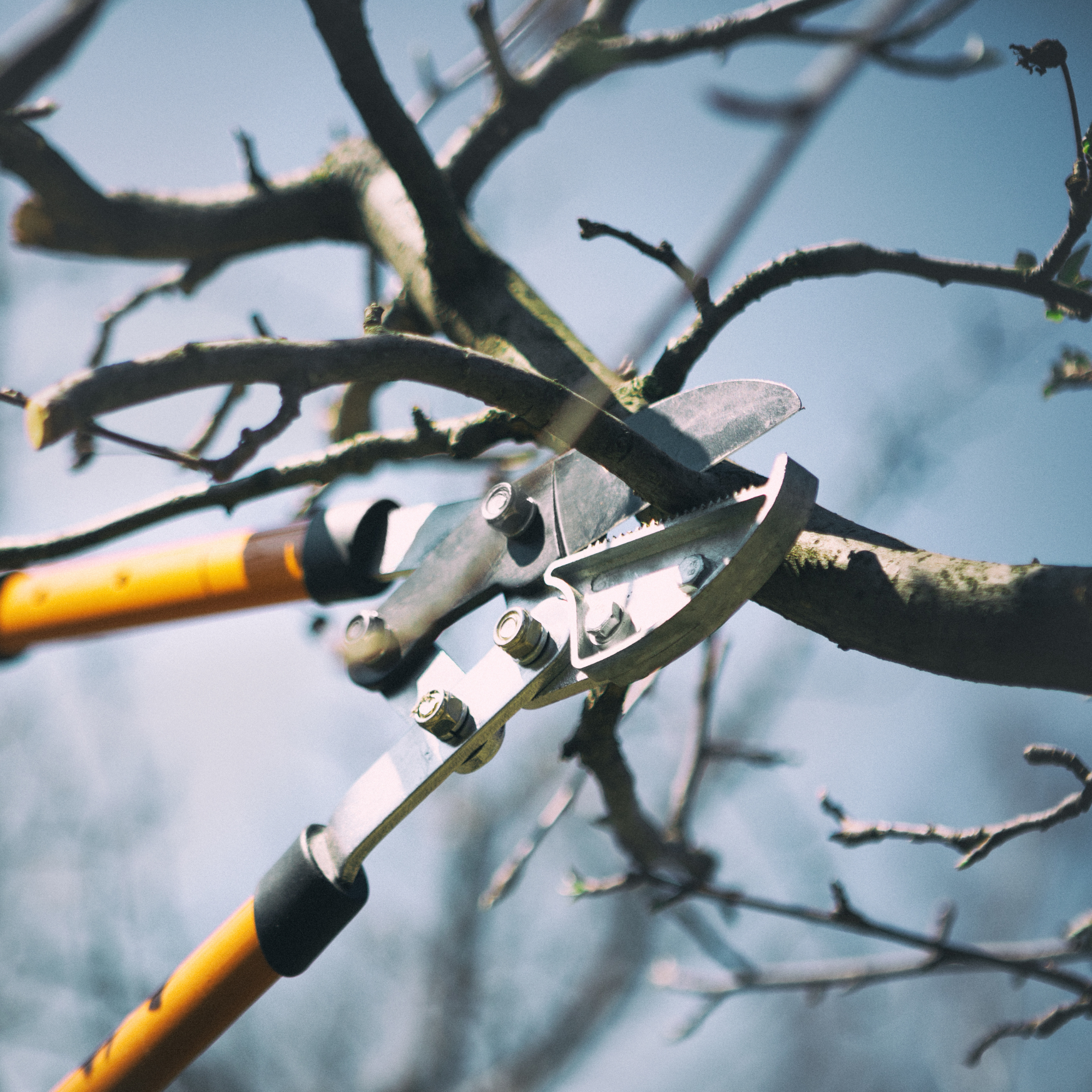
– Use clean, sharp tools to remove dead wood, crossing branches, and branches in poor structure. Focus on establishing a strong central leader and a well-spread, open canopy that improves air flow and sunlight penetration.
– Avoid heavy pruning in one season
– Severe cuts can lead to a boom of vegetative growth that may be weak and require more maintenance later. A measured approach over a couple of seasons tends to yield better, more durable structure and bloom.
– Selective thinning and structural pruning
– Instead of simply cutting back the tops, prefer thinning to remove inward-angled branches and to encourage vertical beauty while maintaining bloom potential.
– Fertilization approach
– Feed with a balanced tree fertilizer according to soil test results or recommended guidelines for crepe myrtle. Avoid high-nitrogen formulas late in the season to prevent lush foliage at the expense of flowers.
– Watering strategy during growth surges
– For a season with rapid growth, provide deep, infrequent watering to encourage deep root development. In drought conditions, increase irrigation frequency slightly but avoid waterlogging.
– Mulching for steady growth
– Apply a layer of organic mulch to conserve moisture, regulate soil temperature, and reduce weed competition. Keep mulch several inches away from the trunk to prevent moisture-related problems at the base.
Our team can tailor pruning and nutrition plans to your yard’s unique conditions. For clients seeking professional guidance on pruning and care, we invite you to explore our tree trimming and pruning services (https://davisfamilyarbor.com/services/tree-trimming) to find a plan that aligns with your crepe myrtle’s growth rate and bloom schedule.
Nutritional and irrigation considerations to support crepe myrtle growth rate this season
Nutrition and irrigation are foundational to a predictable growth rate and a healthy canopy.
– Soil testing and amendments
– Before applying fertilizers, a soil test can reveal nutrient deficiencies or pH imbalances that affect nutrient availability. Based on results, we customize amendments to optimize cation exchange capacity and root uptake.
– Balanced fertilization schedule
– Apply slow-release, balanced fertilizers in early spring to support steady growth. Avoid excessive applications mid-season, which can promote foliage growth at the expense of bloom and can lead to nutrient runoff.
– Irrigation consistency
– Establish a predictable watering routine that supports root growth without saturating the soil. Consider drip irrigation or soaker hoses for efficient water delivery to the root zone during extended growth periods.
– Mulch management
– Mulch not only conserves moisture but also moderates soil temperature and reduces weed pressure which can compete for nutrients. Inspect mulch depth and replenish as needed.
You can learn more about our integrated approach to irrigation, nutrition, and pruning by visiting our services page (https://davisfamilyarbor.com/services) and our irrigation guidance resources. For a deeper dive into the philosophy behind our care plans, explore the About Us section (https://davisfamilyarbor.com/about-us), where you’ll meet our certified arborists who emphasize safe pruning and long-term tree health.
Seasonal care plan: aligning crepe myrtle growth rate with your landscape goals
Every landscape is unique. Here is a practical seasonal plan to align with crepe myrtle growth rate, ensuring a balanced canopy, reliable blooms, and manageable size.
– Early spring
– Inspect for winter damage, prune for structure, and apply a baseline fertilizer if soil tests indicate nutrient needs.
– Late spring to early summer
– Monitor growth spurts, adjust irrigation for consistent moisture, and prune lightly to maintain desired shape. This is also a good time to assess bloom potential for the season.
– Mid to late summer
– Evaluate the canopy for balance and air flow. If growth becomes too vigorous in one area, consider selective thinning to maintain a harmonious form and ensure adequate sunlight penetration for remaining blooms.
– Fall
– Conduct a final check for structural integrity and plan pruning for the next year. Remove any dead or diseased wood and ensure the trunk base remains healthy through the cooler months.
– Winter
– Review growth patterns from the past year against bloom outcomes and plan a targeted pruning approach for the next season that aligns with your desired crepe myrtle tree growth rate and flowering rhythm.
If you’d like hands-on help implementing this seasonal plan, our trained arborists can guide you through each step. Learn more about how Davis Family Arbor handles seasonal care, including pruning and seasonal fertilization, by visiting our Services page (https://davisfamilyarbor.com/services). You can also read about our approach to safe pruning and maintenance on the About Us page (https://davisfamilyarbor.com/about-us).
Common myths about crepe myrtle growth rate debunked
Myth 1: Prune aggressively to boost growth
– Reality: Heavy pruning can delay blooming and sometimes stress the tree. A measured, well-timed pruning plan supports a steady growth rate and healthy flowering.
Myth 2: High nitrogen fertilizer always speeds up growth
– Reality: Excess nitrogen can promote leaf growth at the expense of flowers and can encourage weak wood. Balanced nutrition based on soil conditions yields better long-term growth and bloom performance.
Myth 3: Crepe myrtle growth is solely determined by sunlight
– Reality: Sunlight is important, but soil health, irrigation, and pruning strategy interact with light to influence growth rate and bloom.
Knowing the facts helps you make informed decisions about pruning schedules and care. If you want a professional evaluation of your crepe myrtle growth rate and a tailored care plan, reach out to our certified arborists. Our team combines science-based practices with practical local knowledge to deliver consistent, safe pruning and growth management. Explore our services for comprehensive tree care options (https://davisfamilyarbor.com/services).
Why choose Davis Family Arbor for crepe myrtle growth rate management
– Certification and expertise
– Our arborists are certified and trained in modern pruning techniques that emphasize safety and long-term tree health. We assess growth patterns, structural integrity, and bloom potential to deliver balanced results.
– Tailored care plans
– We don’t rely on a one-size-fits-all approach. By evaluating species, cultivar, soil, and climate, we craft a plan aligned with your goals for crepe myrtle growth rate and flowering.
– Integrated services
– From pruning and trimming to fertilization and irrigation, our services cover the full spectrum of tree care. Learn more about how our services work together to support healthy growth and vibrant blooms (https://davisfamilyarbor.com/services).
– Transparent communication
– We provide clear recommendations, timelines, and estimates. You’ll know what to expect at every stage of the growth cycle.
If you want to start with a professional assessment, contact us for a free estimate. Our team can review your yard, discuss growth rate expectations, and outline options that fit your budget. You can reach us through our Contact page (https://davisfamilyarbor.com/contact).
Conclusion: embracing a healthy crepe myrtle growth rate this season
Understanding crepe myrtle tree growth rate this season is about more than predicting height. It’s about aligning growth with bloom potential, landscape design, and sustainable care. By focusing on soil health, balanced nutrition, appropriate pruning, and consistent irrigation, you can cultivate a crepe myrtle that grows steadily, flowers reliably, and maintains a strong, healthy form year after year.
Davis Family Arbor is here to help you navigate growth expectations, prune safely