




Crepe Myrtle Blooming Time in Tulsa: What Homeowners Should Know
Tulsa’s warm summers and bright blue skies set the stage for spectacular crepe myrtle displays, but nailing down the crepe myrtle blooming time can feel like chasing a moving target. Factors like weather, pruning, soil, and the specific cultivar all influence when these flamboyant trees burst into color. At Davis Family Arbor, our certified arborists specialize in understanding local conditions and tailoring care to maximize bloom health. If you want lush, long-lasting color throughout the season, start with a plan that respects the tree’s growth cycle and Tulsa’s climate.
Key Factors That Influence crepe myrtle blooming time
Weather and Temperature
The crepe myrtle blooming time is highly sensitive to spring temperatures and heat accumulation. Mild springs can lead to an earlier start, while late frosts can delay bud development. In Tulsa, where spring temperatures swing, blooms may appear earlier one year and delay the next. Heat can accelerate flower maturation, but extreme heat during the budding window can stress plants and shorten bloom duration. Understanding these patterns helps you time pruning, fertilization, and irrigation to support consistent flowering.
Day Length and Light Availability
Crepe myrtles rely on increasing day length to trigger robust new growth and bloom. Trees planted in full sun typically produce more, deeper blooms, while shade can reduce both the number of flowers and the intensity of color. If your crepe myrtles aren’t reaching their full potential, check for afternoon shade from nearby structures or other plants that might be limiting sun exposure.
Plant Variety and Age
Varieties differ in their blooming time windows. Some cultivars start blooming in late spring, while others push into mid-summer. Younger trees may take a season or two to establish, and their first flush of blooms can be lighter or shorter. As trees mature, their capacity to bloom across a longer period often improves, provided you give them proper care.
Soil, Water, and Nutrition
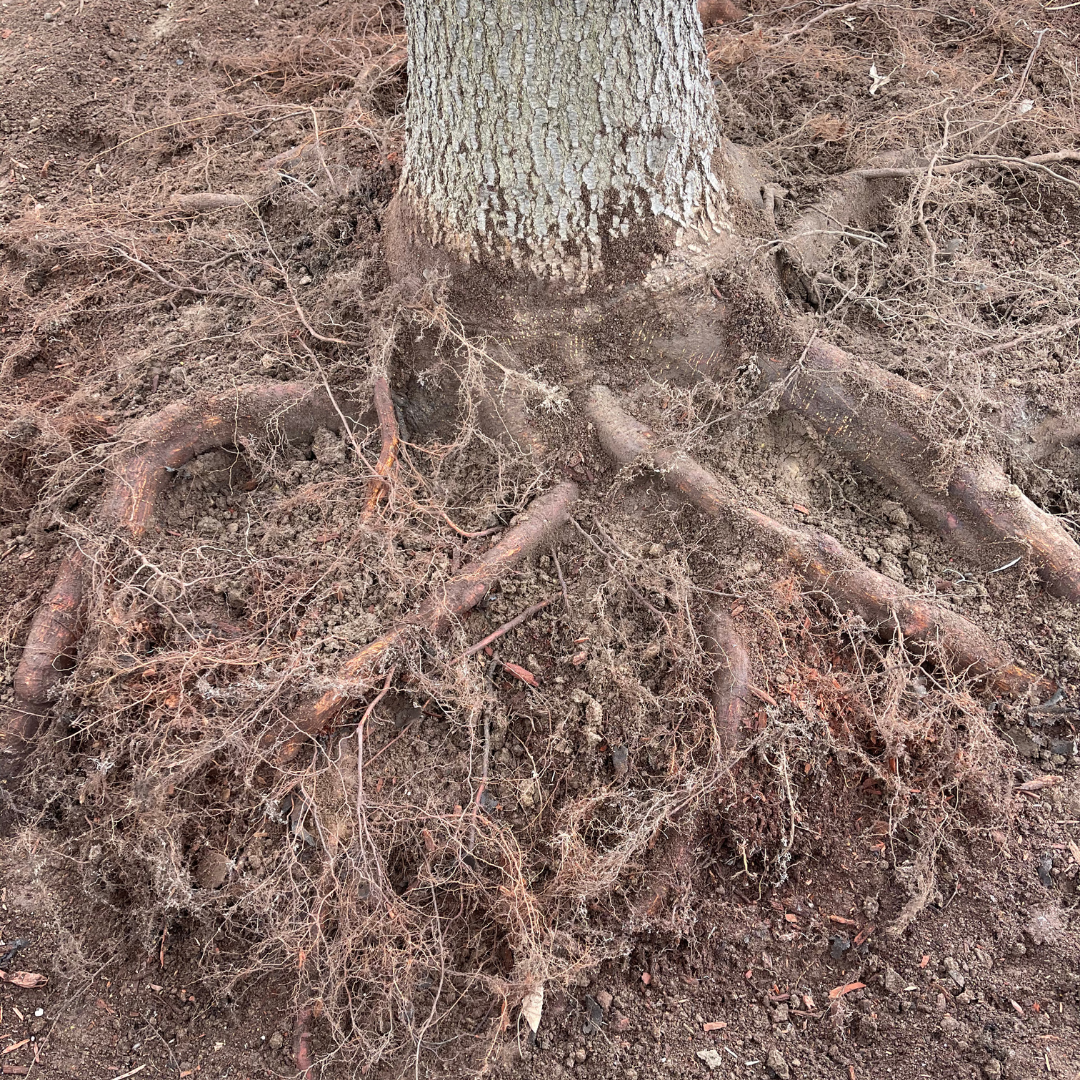
– Soil drainage matters: crepe myrtles dislike soggy feet. Poor drainage can slow root development and push back bloom timing.
– Water deeply but infrequently during dry spells to encourage strong, deep roots that support vigorous flowering.
– Nutrient balance is important. Excess nitrogen can promote leafy growth at the expense of blooms, while a balanced, slow-release fertilizer in early spring can support healthy flowering without pushing the tree toward excessive leafy growth.
Pruning Timing and Practices
Because crepe myrtles typically flower on new wood, how and when you prune can dramatically affect the crepe myrtle blooming time and the volume of blossoms. Light annual pruning for shape is generally safe, but heavy pruning (sometimes called “crepe murder”) can remove the very growth that would bear blooms. The best practice is to prune during the dormant season (late winter to early spring) before new growth begins, allowing the tree to produce the new wood that will carry next season’s flowers.
Pruning, Water, and Soil: How Care Impacts Bloom Health
Proper care is the difference between a scraggly display and a vibrant, abundant bloom season. Here’s a practical care plan focused on boosting crepe myrtle blooming time and bloom quality.
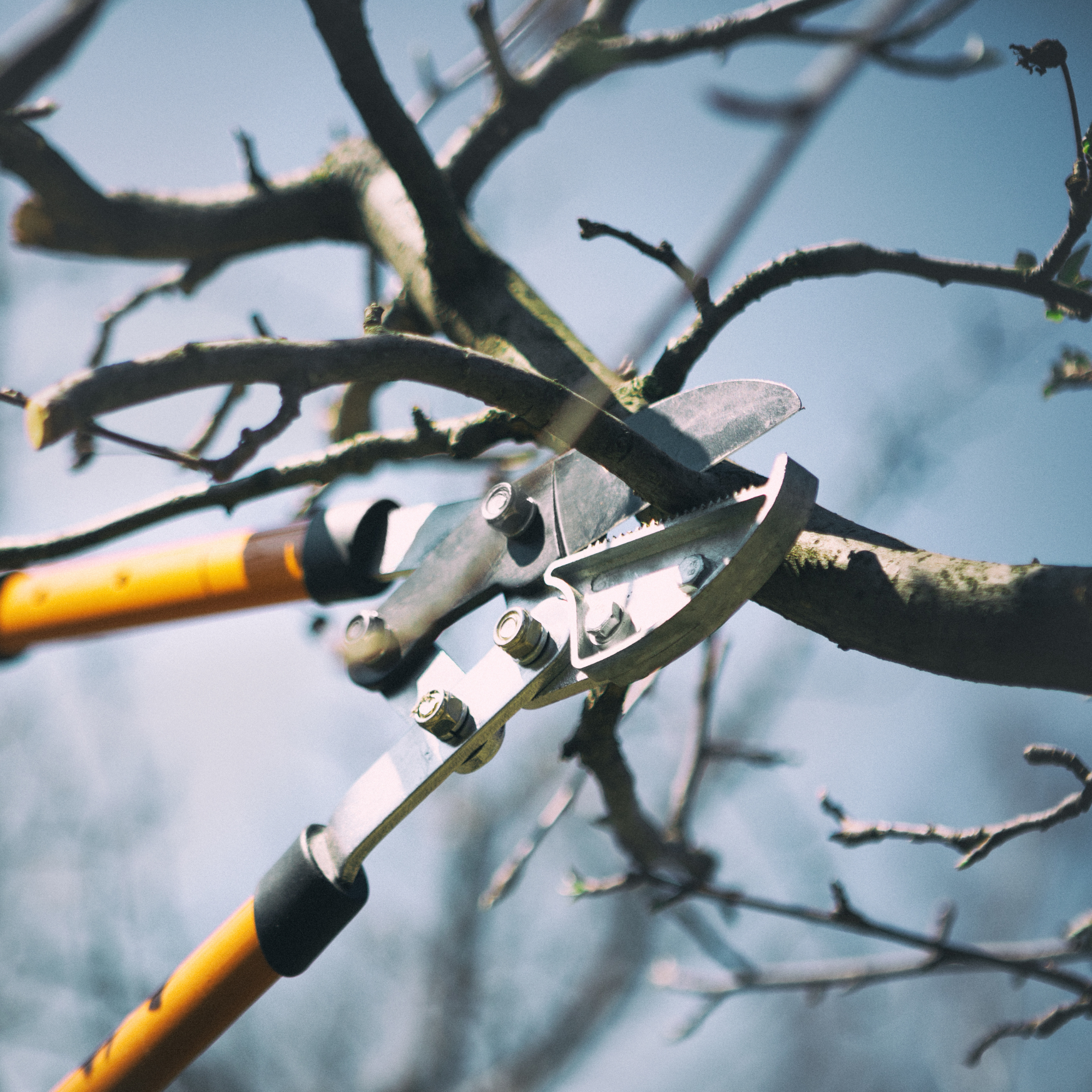
- Pruning plan: For most Tulsa landscapes, prune in late winter or early spring when buds are still dormant. Use clean, sharp tools and make cuts just above outward-facing buds to encourage an open, well-ventilated structure that supports flowering wood.
- Light shaping rather than heavy thinning: Remove dead or crossing branches and weak growth, but avoid removing too much known bloom wood. A light lift helps air flow and sun penetration, both of which support robust blooms.
- An even irrigation routine: Establish a deep watering schedule during dry spells. Mulch to conserve moisture and regulate soil temperature—two factors that influence bloom development.
- Seasonal feeding: Apply a slow-release, balanced fertilizer in early spring after new growth begins. Avoid late-season fertilizers that encourage new growth when buds should be forming for the next season.
- Pest and disease vigilance: Regular inspection helps catch issues like powdery mildew early, preventing stress that could impact bloom time and flower production.
For homeowners who want to ensure every season delivers consistent crepe myrtle blooms, partnering with a professional can simplify the process. Davis Family Arbor offers guidance on pruning schedules, soil amendments, and a tailored care plan that aligns with Tulsa’s climate. Explore our services, including tree trimming services, to keep your trees healthy and well-shaped for optimal blooming. Learn more about our approach on the About Us page, and reach out through our Contact page to schedule a free quote.
Seasonal Guide for Tulsa: Aligning Care With the Weather
Spring: Preparing for the First Wave of Blooms
In Tulsa, the crepe myrtle blooming time often starts in late May to early June, depending on the year’s warmth. As the weather warms, begin gentle pruning and remove any dead wood while the tree is still dormant. This sets the stage for strong new growth that will carry the first bloom flush. A monthly check-in on soil moisture, irrigation, and mulch depth helps maintain ideal conditions as buds begin to form.
Early Summer: Peak Bloom and Maintenance
During peak bloom