




In Tulsa, your trees are an investment in curb appeal, safety, and long-term landscape health. When you search for tree service near me, you’re not just looking for someone to trim a branch; you’re seeking a trusted partner who can perform safe removals, pruning, and ongoing tree health care. This guide will walk you through what to expect, why professional care matters, and how Davis Family Arbor stands ready to support Tulsa homeowners with reliability and care.
What to Expect from a Tree Service Near Me in Tulsa
Choosing the right local provider begins with clear expectations. A reputable team will combine technical expertise with a proactive approach to safety, environmental stewardship, and customer communication. When you look for a tree service near me in Tulsa, you should expect:
– Transparent qualifications and insurance: licensed, insured professionals with certified arborists on staff, ready to explain procedures and safety measures.
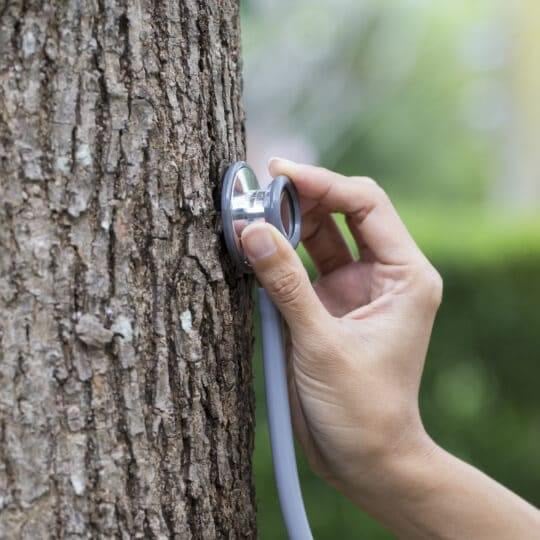
– Thorough assessments: a site visit to evaluate tree health, structural integrity, soil conditions, and potential risks to structures, power lines, or people.
– Written, detailed quotes: itemized estimates that outline removal, pruning, or health care tasks, along with timelines and cleanup plans.
– Clear communication about safety practices: equipment used, crew safety, and how debris will be handled.
To learn more about how we approach tree care from start to finish, explore our services overview and the specific services that match your needs, such as our dedicated tree removal services and tree trimming options.
Certified arborists and safety standards
A dependable tree service near me in Tulsa relies on certified arborists who understand the biology of trees, proper pruning techniques, and risk management. Look for:
– Certification from the International Society of Arboriculture (ISA) or equivalent authorities.
– Comprehensive liability insurance and workers’ compensation coverage.
– Adherence to industry best practices for pruning, removal, and health care.
– Ongoing safety training and access to modern equipment, such as elevated platforms, rigging systems, and proper PPE.
A company that emphasizes these standards isn’t just meeting a checklist—it’s committing to protecting your property and the people around it.
Safe Removals: How Professionals Manage Risk and Protect Your Property
Protecting people, pets, and structures is the primary goal of any safe removal. From the first consultation to the final cleanup, a professional team will follow a disciplined process to minimize risk and maximize outcomes.
Pre-removal assessment and planning
Before any limb touches a saw, the crew conducts a careful assessment:
– Mapping the tree’s structure, including target limbs, the presence of decay, and potential weight distribution.
– Identifying hazards nearby, such as buildings, fences, vehicles, or power lines.
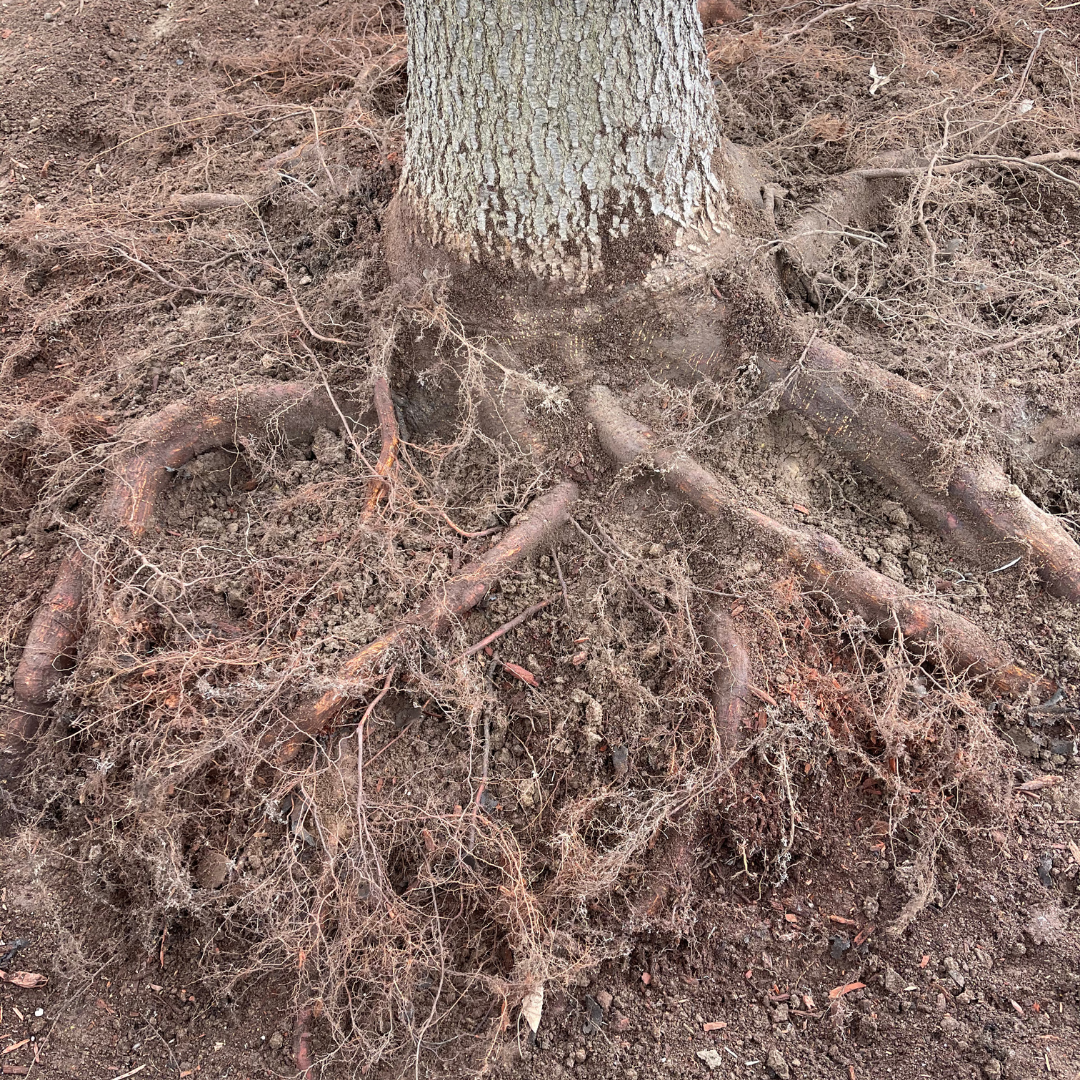
– Evaluating soil conditions and root systems to prevent unintended ground disturbance.
– Securing permits when required and coordinating with property owners to ensure access during the work window.
This thoughtful planning ensures that removals are executed with precision and care, reducing surprises on site and protecting your landscape.
Controlled techniques and equipment
Safe removals rely on proven methods:
– Rigging systems and strategic lowering to manage weight and control where debris lands.
– Use of cranes or specialized equipment when trees are large or located near sensitive areas.
– Section-by-section removal when full felling is impractical, preserving nearby vegetation and infrastructure.
– Clean cutting techniques that minimize collateral damage to healthy trees and shrubs.
By employing these methods, a tree service near me in Tulsa can handle hazardous removals while maintaining property integrity.
Post-removal cleanup and site restoration
A quality team doesn’t stop at cutting. The post-removal phase includes:
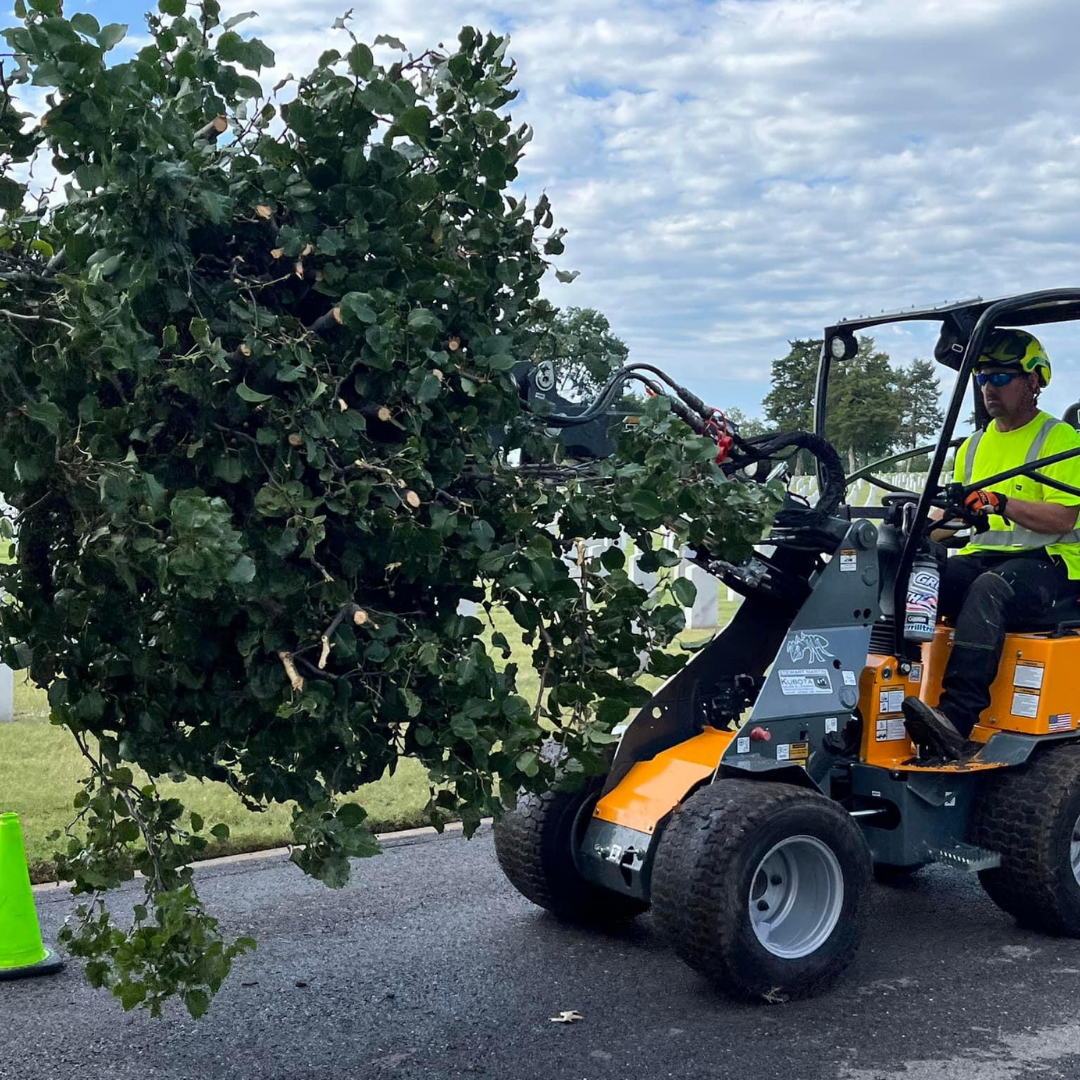
– Thorough brush and wood chip removal, with options for mulch reuse or disposal.
– Stump grinding or removal as requested, with appropriate soil smoothing and leveling.
– Final inspection to ensure no nails, ropes, or debris remain and that the area is safe for foot traffic and lawn equipment.
This comprehensive approach keeps your landscape looking tidy and safe, reinforcing the value of choosing a professional service over DIY attempts.
Tree Health Care: Pruning, Pest Management, and Soil Vitality
Safe removal is just one piece of the equation. Ongoing tree health care helps your landscape thrive, resist pests, and recover from stress. When you select a tree service near me in Tulsa, you’ll want a plan that emphasizes proactive care and science-backed practices.
Pruning for structure, health, and aesthetics
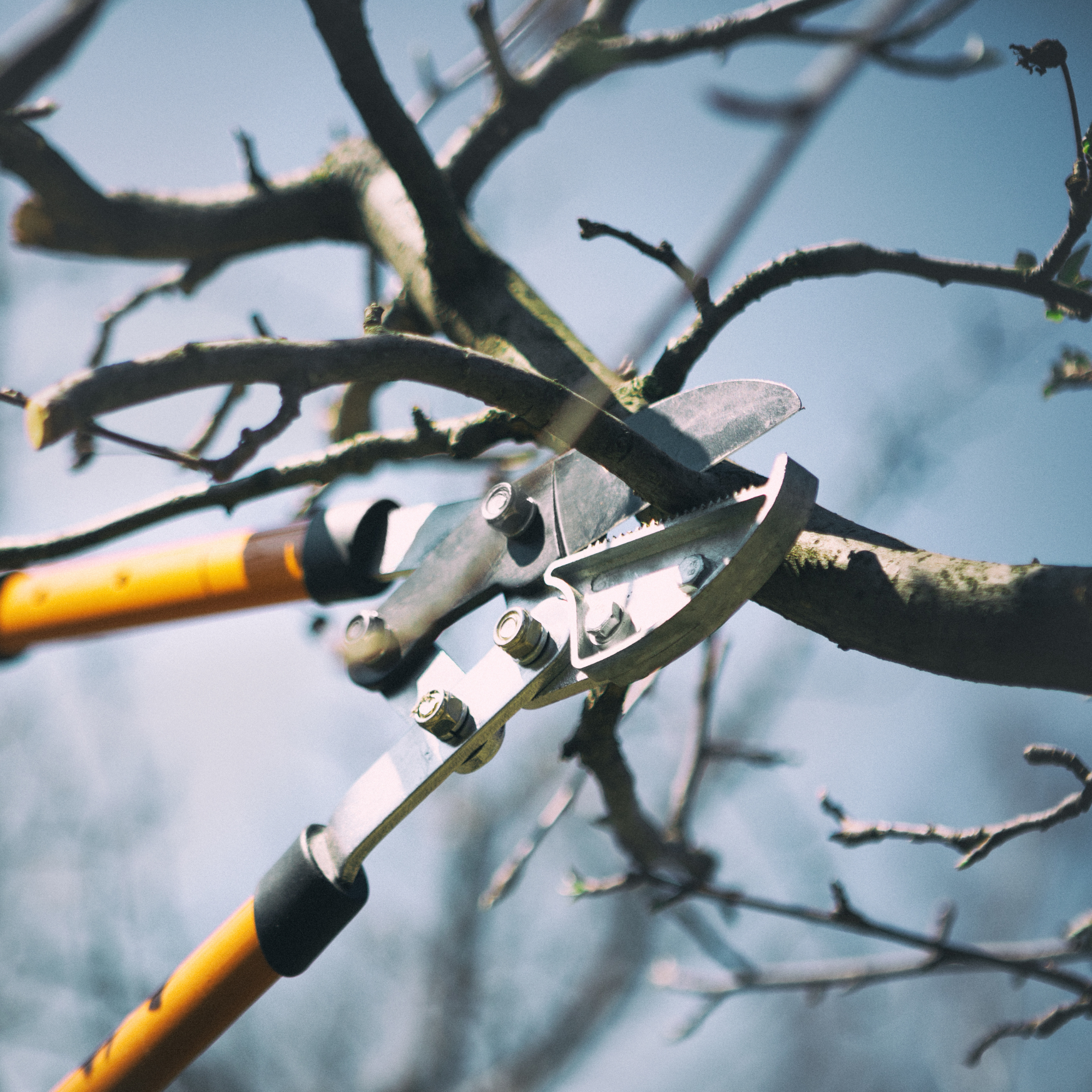
Proper pruning is essential for long-term health:
– Structural pruning to create a strong central leader and well-spaced branches.
– Removal of dead, diseased, or crossing limbs that can invite pests or cause failures.
– Timing aligned with species-specific growth cycles to minimize stress.
– Careful growth management to preserve natural shape and form.
Regular pruning not only improves safety by reducing potential breakage but also enhances fruiting, flowering, and overall vitality.
Pest management and disease prevention
Trees face a range of threats, from beetles to fungal diseases. A knowledgeable arborist will:
– Monitor for signs of infestation, discoloration, or sudden dieback.
– Implement targeted treatments that minimize environmental impact.
– Recommend resistant varieties or cultural practices to reduce risk.
– Provide guidance on irrigation and nutrition to bolster defenses.
Early detection and a proactive plan are key to keeping trees healthy and resilient in Tulsa’s climate.
Soil health, irrigation, and mulching
Healthy soils underpin thriving trees:
– Soil testing to determine nutrient needs and pH balance.
– Tailored fertilization programs that avoid overfeeding and runoff.
– Mulching strategies that conserve moisture, regulate temperature, and suppress weeds.
– Irrigation plans designed to match seasonal demands and root depth.
A holistic approach to soil and water management ensures your trees can weather droughts