




Blog Title: Bradford Pear Tree: Remove or Care For? | Davis Family Arbor
SEO Meta Description: bradford pear tree care and removal by Davis Family Arbor. Certified arborists diagnose disease, prune safely, and remove if needed. Call today for a free quote.
Suggested Slug: bradford-pear-tree-removal-care-davis-family-arbor
Bradford Pear Tree: Remove or Care For? Davis Family Arbor
Introduction
Bradford pear trees have long been a popular choice for curb appeal and fast-growing shade, but they come with a set of challenges that can leave homeowners unsure whether to prune, treat, or remove. At Davis Family Arbor, our certified arborists regularly diagnose diseases, prune safely, and help you make informed decisions about the future of your bradford pear tree. This guide walks you through the common problems, practical care strategies, and clear criteria for when removal might be the best option. By the end, you’ll know how to protect your landscape, keep your family safe, and maintain a healthy, attractive yard.
Why Bradford Pear Trees Are Common Yet Challenging
Bradford pear trees are frequently planted for their quick growth, uniform shape, and abundant, glossy foliage. They can create instant privacy and define property lines in many neighborhoods. However, their popularity has been tempered by recurring issues that affect their longevity and overall health.
– Disease susceptibility: Bradford pear trees are prone to diseases such as fire blight and bacterial leaf scorch, which can spread quickly and weaken a tree’s structure.
– Structural flaws: The branch architecture of many bradford pear trees is prone to cracking and splitting, especially after storms or heavy snow.
– Invasive spread concerns: In some regions, bradford pear can contribute to a dense, monoculture canopy that crowds out other species, limiting biodiversity in your landscape.
Recognizing Common Problems with Bradford Pear Tree
Early detection is key to saving a bradford pear tree or deciding if removal is the safest option. Look for warning signs that point to disease, structural issues, or poor vigor.
– Fire blight symptoms: blackened, wilted shoots, oozing cankers, and an overall scorched appearance on new growth. If untreated, this can spread rapidly.
– Bacterial leaf scorch: foliage starts to yellow and die back, often without obvious leaf spots, and the tree may weaken over time.
– Canker and bark issues: sunken, discolored cankers that girdle branches or trunks, increasing the risk of limb failure.
– Poor vigor and canopy thinning: a sparse crown, stunted growth, or uneven growth patterns can indicate deeper health problems.
– Pest pressure: aphids, scale, and other sap-feeding insects can weaken the tree and create secondary diseases.
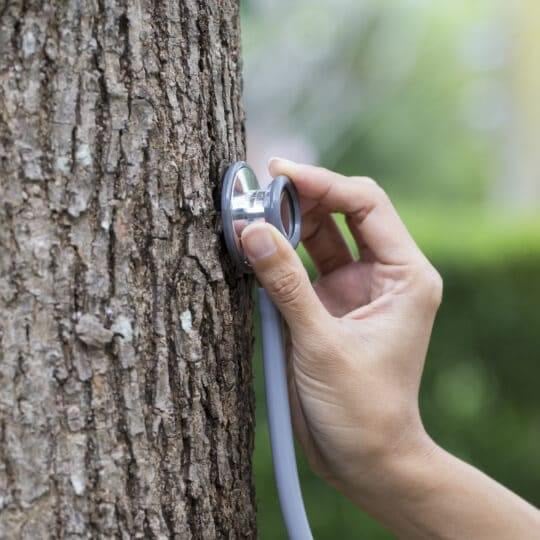
If you notice these symptoms, it’s wise to schedule a professional inspection to determine whether pruning, treatment, or removal is the most responsible course of action. Our team at Davis Family Arbor provides precise diagnosis, using our experience to guide your next step. For a detailed assessment, consider learning about our [Services](https://davisfamilyarbor.com/services) and how we approach bradford pear tree care.
Should You Remove or Care For Your Bradford Pear Tree?
Deciding between removal and ongoing care requires weighing health, safety, and landscape goals. Consider the following criteria when evaluating your bradford pear tree.
– Health status: If the tree shows extensive decline, major limb dieback, or widespread cankering that compromises structure, removal may be the safest option.
– Disease severity: If fire blight or bacterial leaf scorch is advanced and treatment options are unlikely to restore vigor, removal could prevent spread to nearby trees.
– Safety concerns: Trees near sidewalks, driveways, or structures pose higher risk if they have a compromised structure or are prone to limb failure.
– Replacement planning: If you’re ready to refresh your landscape, removal can open space for new plantings that offer better disease resistance and longer-term vitality.
If you’re unsure, a professional evaluation from a certified arborist can provide clarity. Our team can help you weigh the cost, timing, and long-term benefits of both removal and targeted pruning or treatment. You can explore more about our approach on the [Tree Removal](https://davisfamilyarbor.com/tree-removal) services page, and learn how our team tailors plans to your specific site conditions.
Care and Maintenance Strategies for a Bradford Pear Tree
If you decide to continue caring for your bradford pear tree, a structured maintenance plan can extend life, maintain safety, and preserve beauty. Here are practical steps you can take.
– Pruning for structure and safety
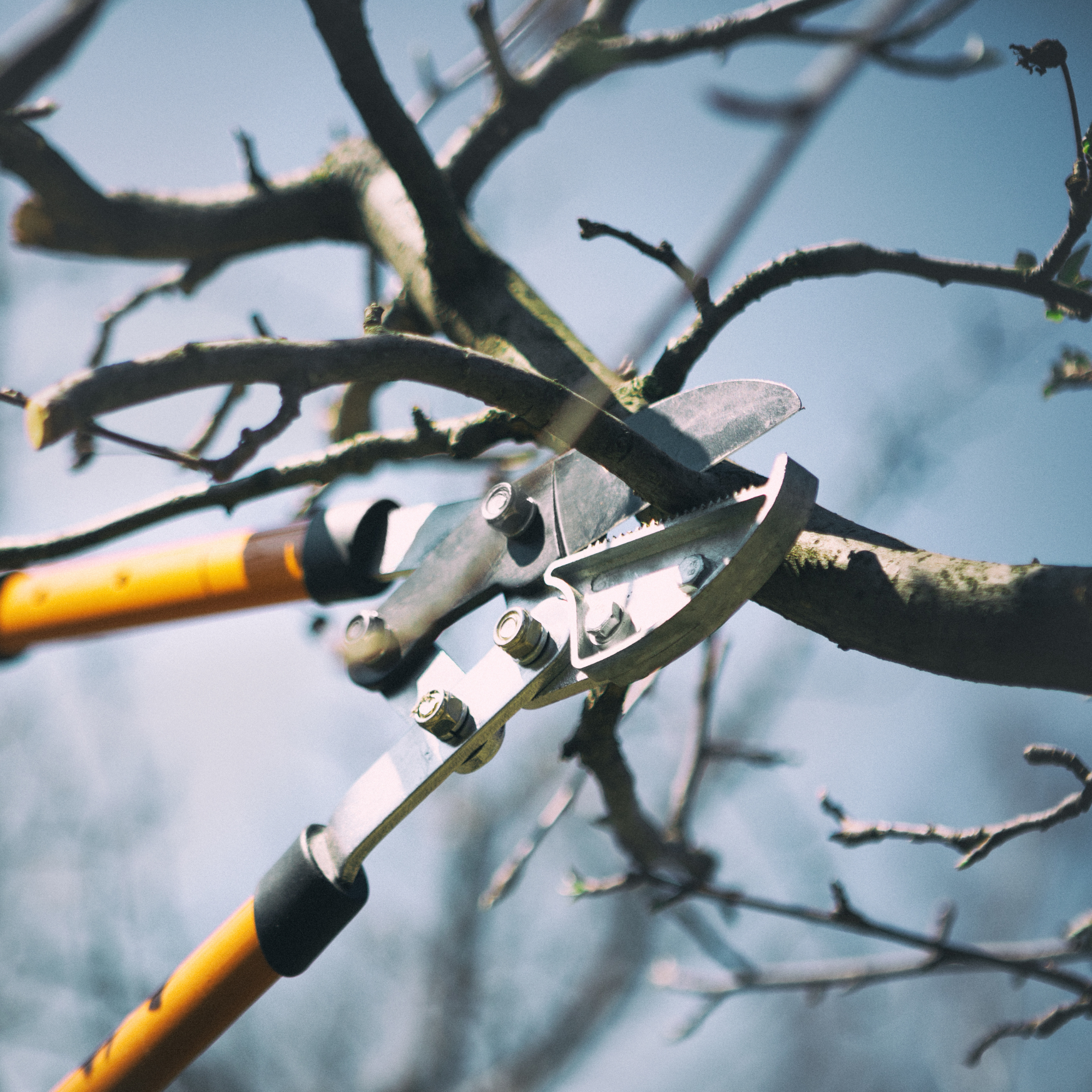
– Prune during the dormant season to reduce stress and promote strong scaffold branches.
– Remove crossing or rubbing limbs to prevent wounds that invite disease.
– Maintain a balanced canopy to reduce wind resistance and lower branch breakage risk.
– Use clean, sharp tools and proper pruning cuts to minimize damage and disease entry points.
– Irrigation and soil health
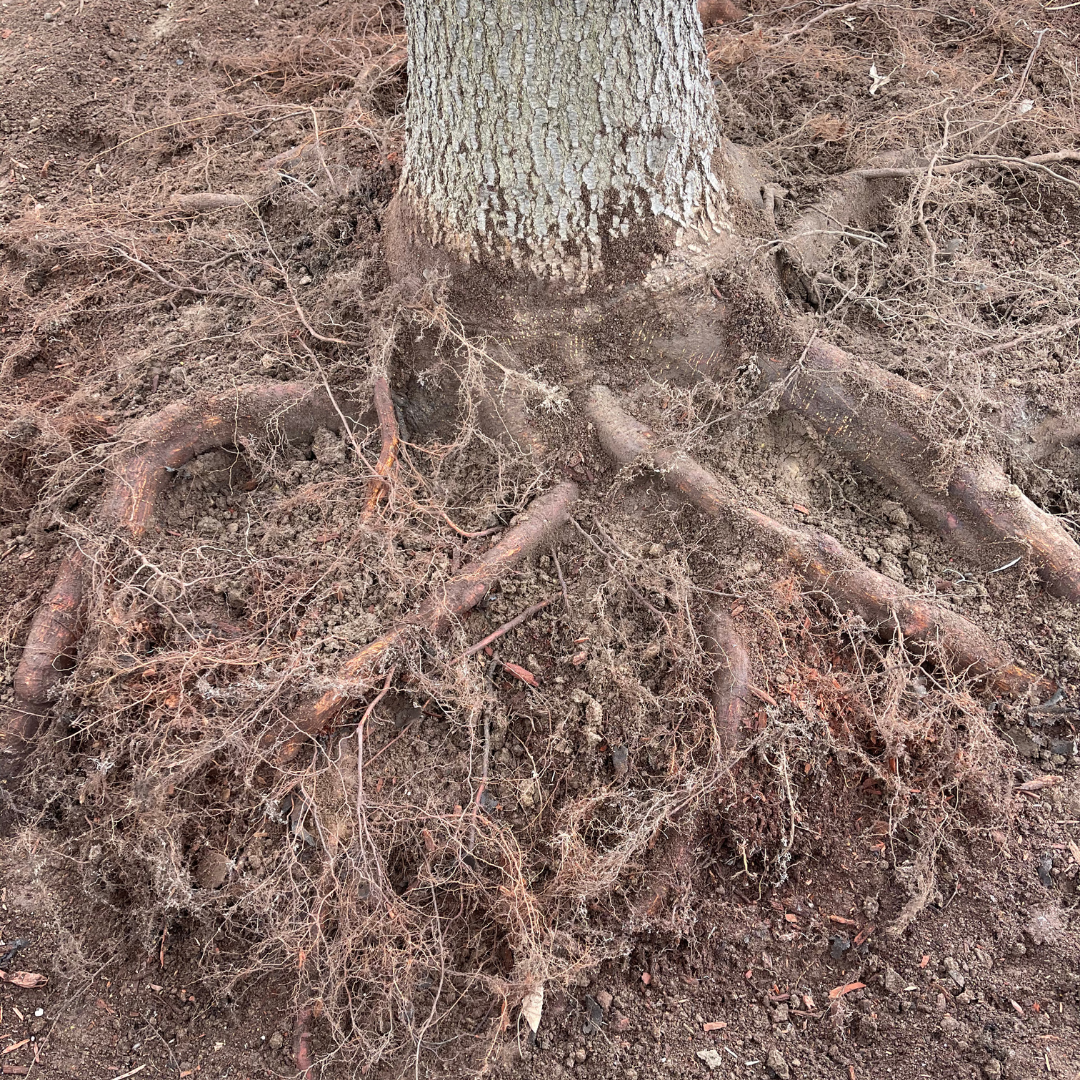
– Water deeply during dry periods, ensuring the root zone receives moisture without waterlogging.
– Mulch to conserve moisture, regulate soil temperature, and suppress weeds.
– Test soil periodically and adjust fertility to avoid overfeeding, which can encourage weak growth and pest problems.
– Disease prevention and sanitation
– Remove and dispose of diseased wood promptly to prevent spread.
– Disinfect pruning tools between cuts when dealing with infection.
– Apply disease management strategies only under the guidance of a professional arborist to avoid misuse of chemicals.
– Nutrition and growth management
– Apply fertilizer based on soil test results rather than calendar schedules.
– Avoid over-fertilizing, which can contribute to lush but weak growth susceptible to disease.
– Monitor for signs of nutrient deficiency and address promptly.
– Seasonal care reminders
– Schedule an annual professional assessment to adjust pruning, identify issues early, and plan for upcoming seasons.
– Prepare for winter by inspecting for frost cracks or damage and protecting vulnerable limbs if necessary.
If you want a hands-on plan tailored to your property, our [Tree Trimming](https://davisfamilyarbor.com/tree-trimming) specialists can design a maintenance schedule that aligns with your landscape goals and local climate.
When Removal Is Necessary
There are clear circumstances where removal of a bradford pear tree is the responsible choice for safety and landscape health.
– Structural failure risk: Significant trunk decay, deep internal rot, or widespread cracks that compromise stability.
– Intractable disease: Diseases like fire blight that have progressed beyond recovery, especially when spreading to nearby plants is a concern.
– Proximity to structures or utilities: Trees growing near buildings, sidewalks, or power lines that pose ongoing risk after storms.
– Replacement opportunities: If your yard requires a different species to meet design goals, habitat needs, or environmental concerns, removal creates room for healthier alternatives.
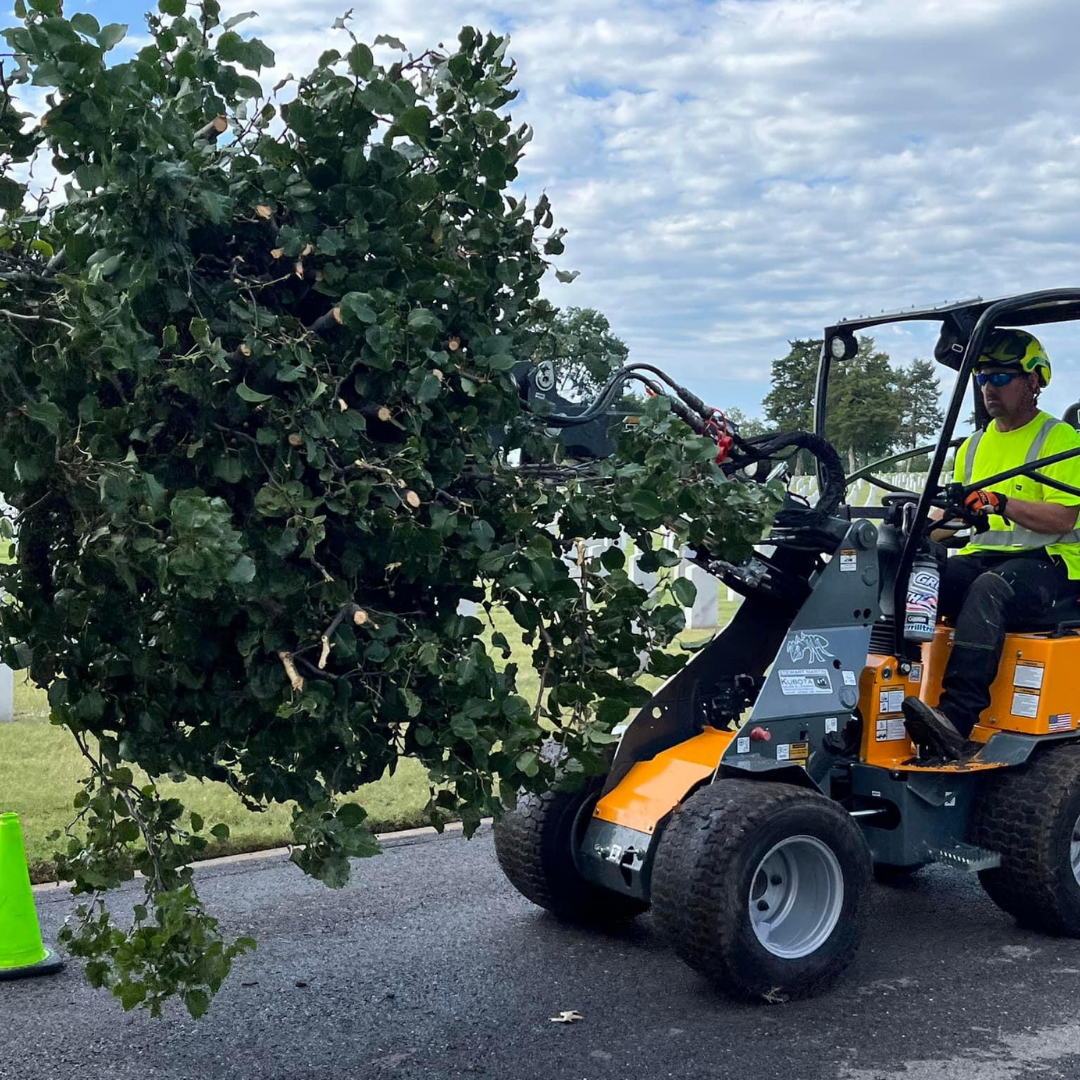
If removal is recommended, Davis Family Arbor provides careful, efficient removal services. Learn more about our removal process on the [Tree Removal](https://davisfamilyarbor.com/tree-removal) page, and consider discussing options with our team. We also offer [Services](https://davisfamilyarbor.com/services) to help you plan a thoughtful transition.
Alternatives to Bradford Pear Tree
If you’re considering a change, several tree options offer ornamental beauty, vigor, and better disease resistance than the traditional bradford pear tree. Some alternatives to discuss with your arborist include:
– Flowering trees with resilient health: Consider cultivars such as flowering cherry, crabapple, or redbud for striking spring blossoms.
– Shade and structure: Maples or classifiers with strong branching patterns can provide reliable shade without the disease pressures associated with bradford pear trees.
– Native options: Native species tailored to your region offer better long-term adaptation and ecological benefits.
– Drought-aware selections: Drought-tolerant species can be an excellent fit for certain landscapes, reducing water use and maintenance.
A professional arborist can help you choose species that suit your soil, climate, and design goals. If you’d like to explore options, we invite you to review our services and speak with one of our experts about suitable replacements on the [About Us](https://davisfamilyarbor.com/about-us) page and then contact us to schedule a consult on the [Contact](https://davisfamilyarbor.com/contact) page.
How Davis Family Arbor Can Help
Davis Family Arbor brings expertise in diagnosing disease, pruning safely, and performing removals when needed. Our approach emphasizes clear communication, careful planning, and adherence to safety standards. Whether you’re facing management decisions for a bradford pear tree or you’re planning a landscape update, we provide:
– Comprehensive tree health assessments conducted by certified arborists
– Safe pruning practices that protect tree vitality and structural integrity
– Thoughtful removal options when necessary to protect property and other plants
– Clear, transparent quotes and flexible scheduling to fit your needs
– Guidance on replacement plantings to build a healthier, more resilient landscape
Explore our services to understand the full range of options we offer, including tree care and landscape solutions. You can also read more about our team and philosophy on the [About Us](https://davisfamilyarbor.com/about-us) page, and reach out to us directly through the [Contact](https://davisfamilyarbor.com/contact) page for a free quote.
Conclusion and Next Steps
A bradford pear tree can be a beautiful asset when healthy, but it can also present ongoing challenges that require timely decisions. By recognizing common problems, evaluating health and safety considerations, and leaning on the expertise of a professional arborist, you can choose the best path for your yard. Whether you opt for careful