
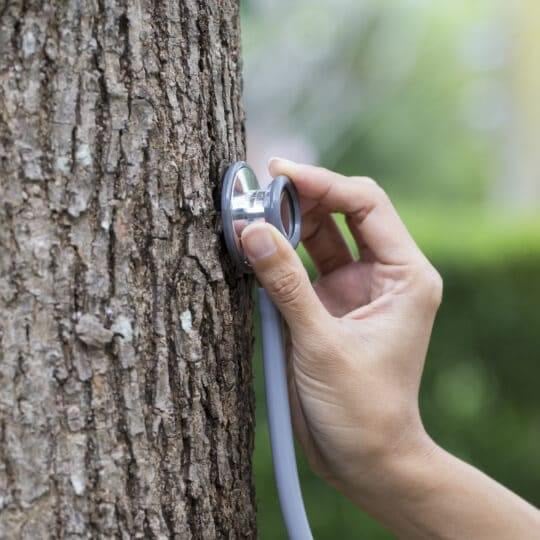

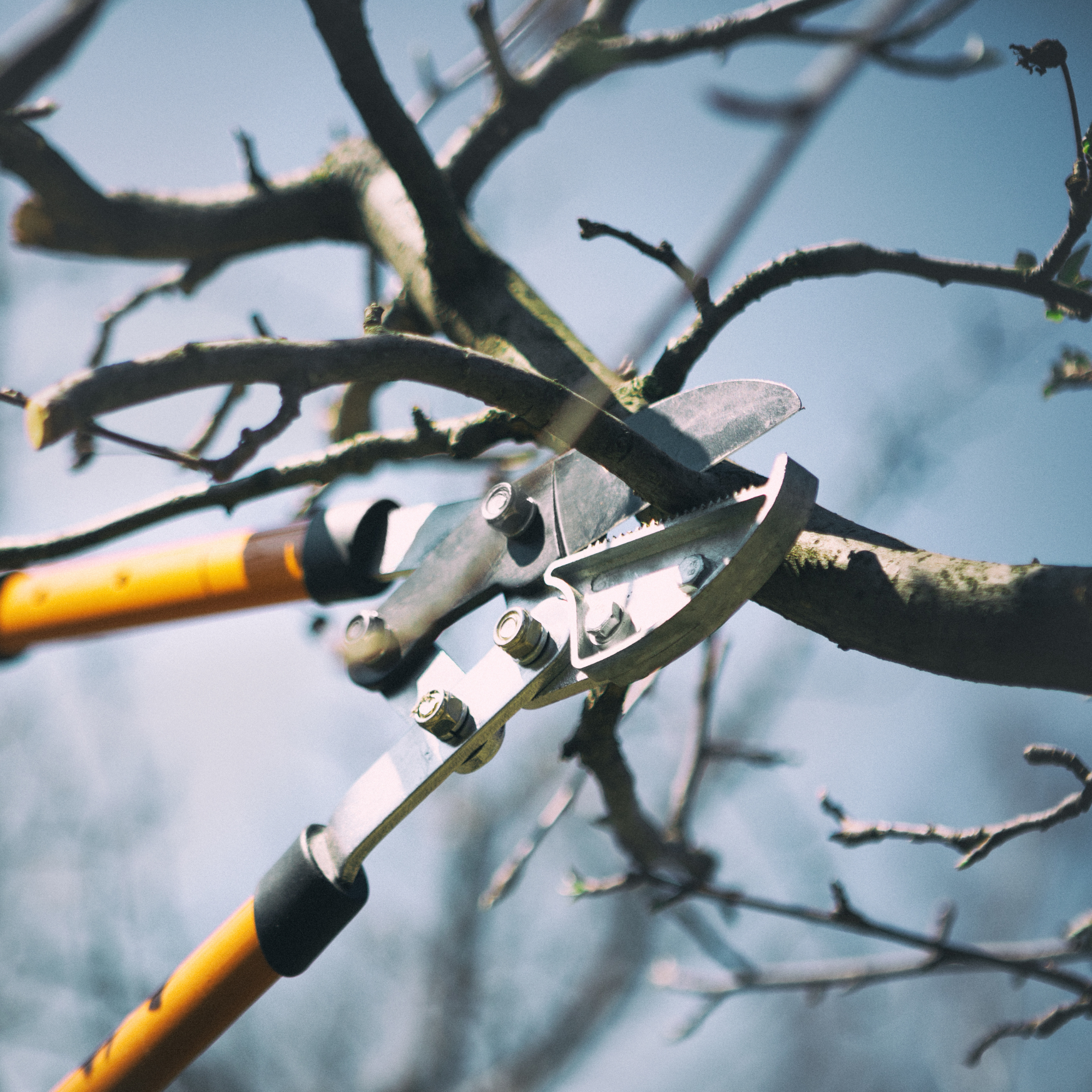
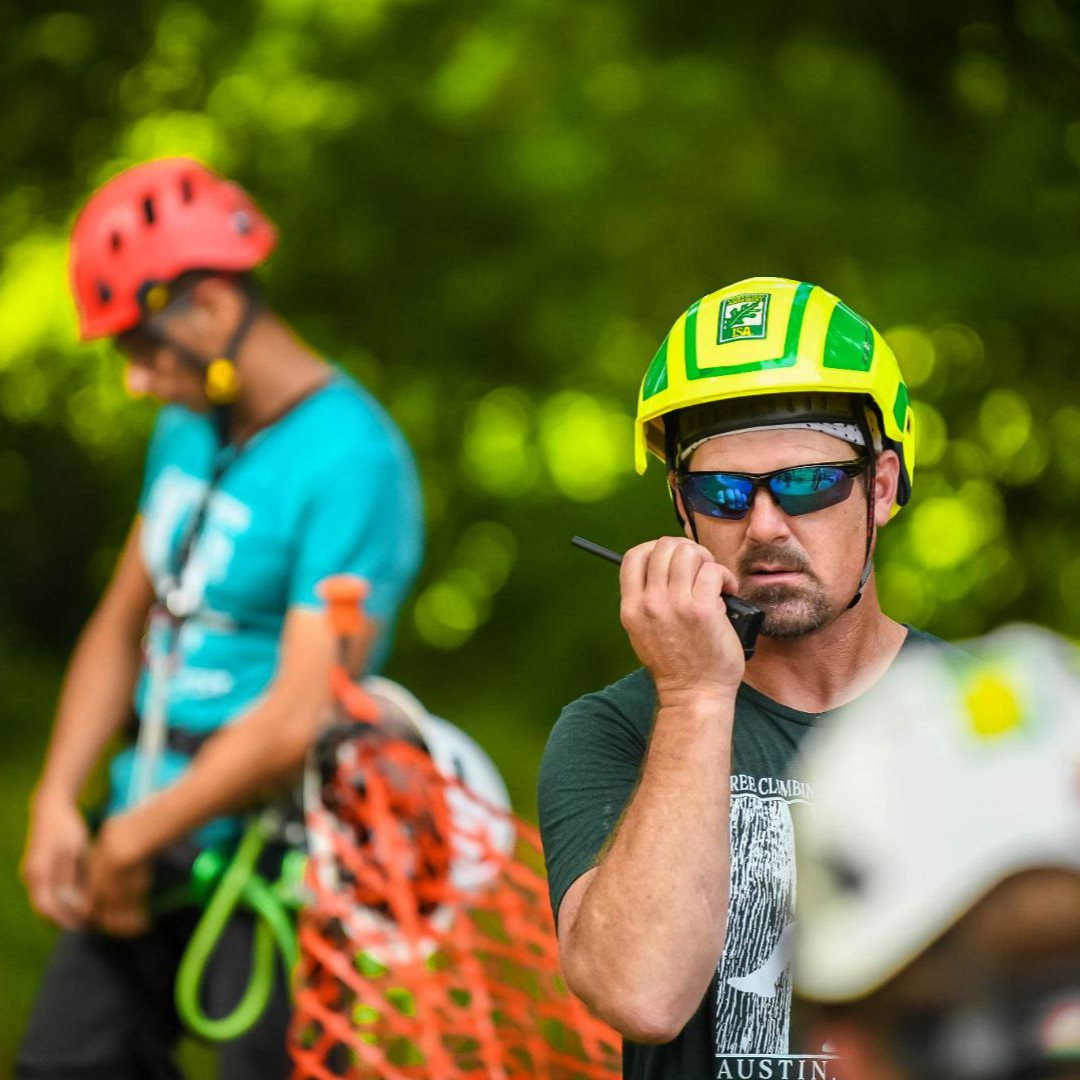


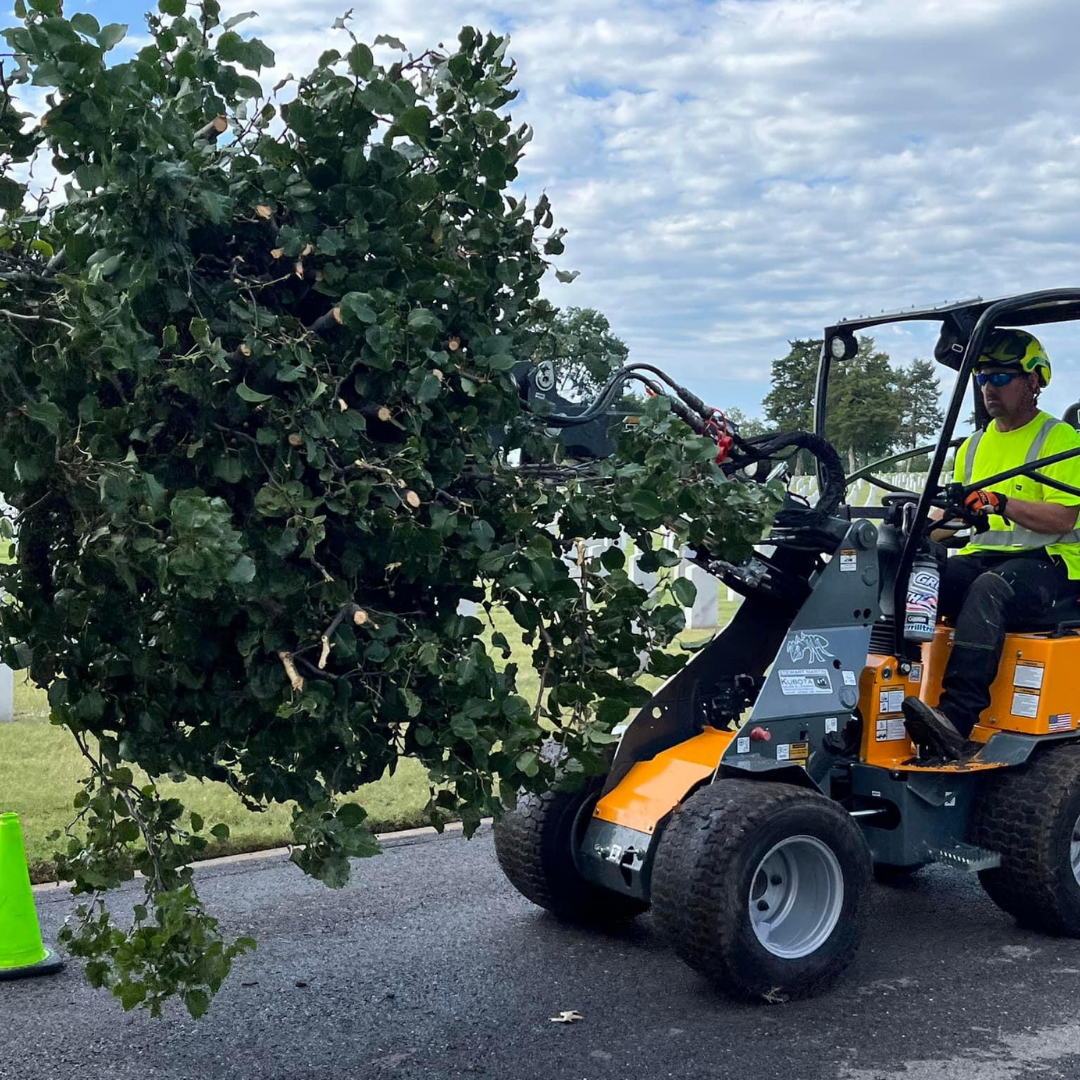
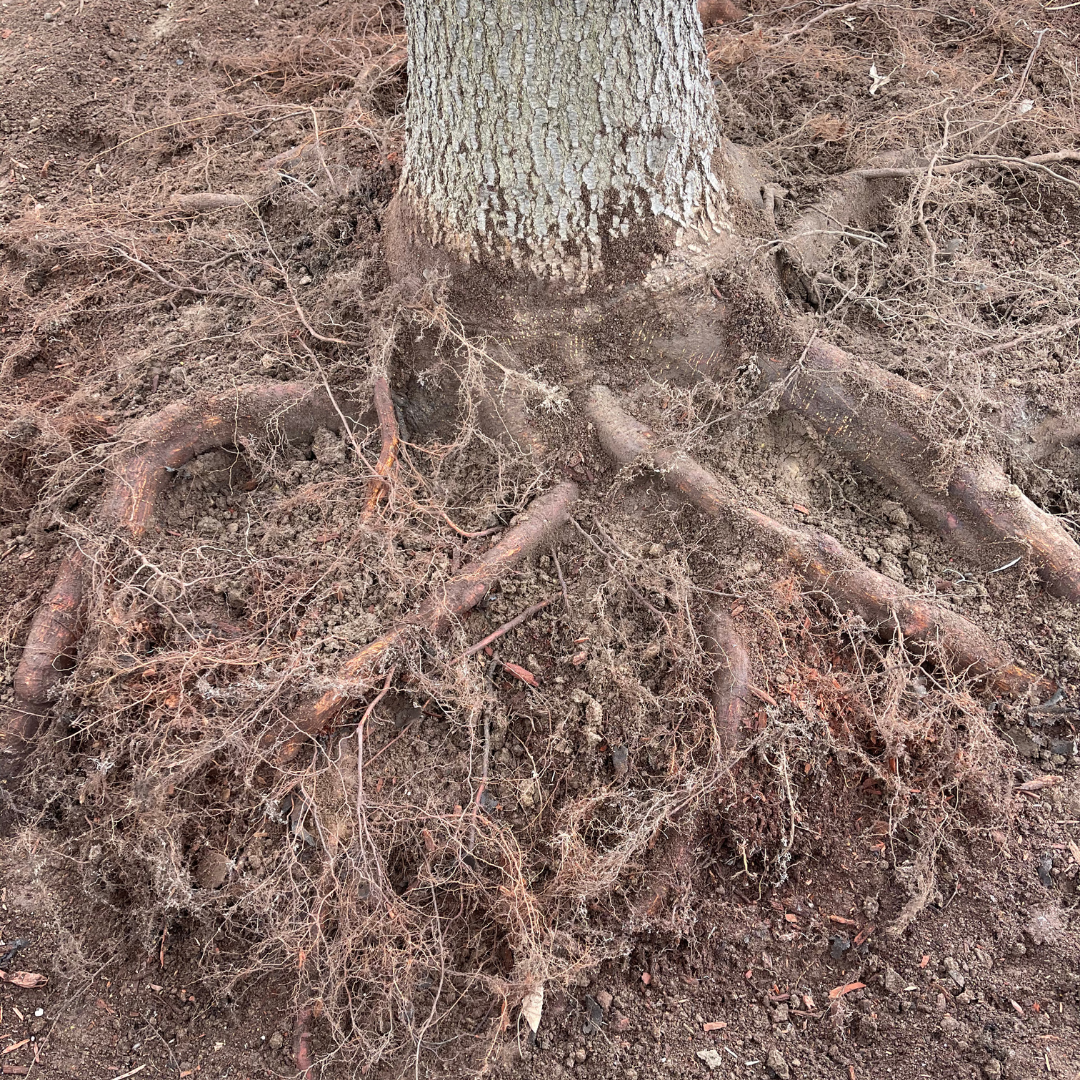
When a tree looks stressed, damaged, or unsafe, the question isn’t just what to do, but who to trust with its health. Do you need an arborist for safe tree health care? The short answer is yes—an arborist brings specialized training, certified practices, and a cautious approach that protects people, property, and the tree itself. At Davis Family Arbor, our certified arborists are equipped to assess, diagnose, and treat a wide range of tree health issues while prioritizing safety and long-term vitality. This guide explains why choosing an arborist matters, what they do, and how to determine when professional care is the best option for your landscape.
Why an arborist matters for safe tree health care
Trees are living systems with complex needs. The difference between a routine prune and a mistake that jeopardizes structure, health, or safety often comes down to expertise. An arborist understands not only how to trim for aesthetics but how to balance growth, disease resistance, and structural integrity. They consider the entire canopy, root zone, soil biology, and local environmental stressors such as drought, pests, and storms. By approaching tree health care holistically, an arborist helps protect your investment, your home, and your family.
A professional arborist provides:
– Comprehensive health assessments that identify disease, structural faults, and pest pressures before they cause failures.
– Evidence-based treatment plans that prioritize tree vitality and long-term sustainability.
– Safety-centered practices to minimize risk during inspections, pruning, or removals.
– Advice on proper planting, soil management, and ongoing maintenance to extend tree life.
If you’re looking for reliable guidance and skilled hands, exploring the services of a qualified arborist is a practical first step. To learn more about the range of work we offer, you can explore our Services page, which outlines how we approach tree health, pruning, and protection.
What an arborist does: core services
An arborist’s work spans prevention, diagnosis, and corrective care. Here are some of the core services that distinguish professional arbor care from generic tree work:
– Tree health assessment and diagnosis
A trained arborist evaluates leaves, canopies, trunk condition, and root systems to identify diseases, nutrient deficiencies, moisture stress, and compacted soil that can stunt growth.
– Disease and pest management
From fungal pathogens to invasive pests, arborists recommend targeted treatments, cultural practices, and, when necessary, containment strategies that minimize collateral damage to beneficial organisms.
– Pruning and structural correction
Pruning isn’t just about looks; it’s about improving airflow, reducing failure risk, and guiding growth away from power lines, buildings, and other hazards.
– Cabling, bracing, and support systems
When a tree has weak attachments or multiple heavy branches, professional cabling and bracing can restore stability without compromising health.
– Soil and root zone care
Soil testing, mulch management, proper irrigation, and root zone aeration can significantly improve tree vigor and resilience.
– Planting, transplanting, and aftercare
Arborists advise on species selection, spacing, soil amendments, and post-planting maintenance for young trees or relocated specimens.
– Storm damage assessment and recovery planning
After severe weather, a professional assessment helps determine which limbs pose immediate danger and which corrective steps will support recovery.
If you want to see how these services come together in a real-world plan, our team can craft a customized approach. For a broad view of how we handle everything from pruning to removals, visit our Services page and explore the range of arborist-led care we provide.
Signs you may need an arborist for your trees
Timely intervention by an arborist can save trees and prevent costly damage. Watch for these warning signs that indicate professional attention is warranted:
– Visible structural issues
Cracks in the trunk, split limbs, or sudden leaning can indicate internal damage or weak junctions that require evaluation.
– Dead or declining branches
A heavy burden of deadwood or a canopy that won’t recover after pruning may signal disease, pests, or root problems.
– Fungal growth at the base or on the trunk
Fruiting bodies, cankers, or unusual fungi often point to decay or other serious health concerns.
– Unusual thinning or sparse foliage
Poor vigor, especially in a previously robust tree, can be a sign of nutrient deficiency, soil problems, or root damage.
– Root zone disruption
Construction, heavy foot traffic, or soil compaction around the base of the tree can dramatically affect stability and health.
– Pest activity
Holes in leaves, bark damage, or excessive sap flow may indicate infestations that require professional management.
– Leaning trees near structures or roadways
Any tree that shows a sustained lean or movement during storms should be evaluated for risk.
If you notice any of these signs, consider a professional assessment from an arborist. For a trusted source of expert care, you can start with our team that emphasizes safety, accuracy, and long-term health. Learn more about the care approach by visiting our About Us page and reading about our team’s credentials and philosophy.
How arborists assess health and safety
A thorough health assessment involves a combination of careful inspection, technical tools, and a plan tailored to the specific tree and site. Here’s how a typical arborist evaluation unfolds:
– Visual inspection and canopy assessment
The arborist examines branch structure, bark health, leaf color, and canopy distribution to gauge vigor and identify risk factors.
– Root collar and soil analysis
Assessing the root crown, soil drainage, and moisture balance helps determine root health and potential stressors.
– Diagnostic testing when needed
In some cases, soil tests, moisture meters, or sampling for pathogens provide critical information to guide treatment.
– Risk evaluation and plan development
The arborist documents potential failure points, recommends pruning or removals, and outlines a safe, staged plan.
– Storm and post-event readiness
After storms, an arborist can assess windthrow risk and riacts to protect people and property.
Throughout the process, a certified arborist prioritizes safety, communicates clearly about risks and options, and respects neighborhood rules and property lines. This approach ensures that every action—whether pruning, trimming, or removal—supports tree health while minimizing disruption to your landscape.
Choosing the right arborist: what to look for
Selecting the right arborist is as important as the care they provide. Here are practical criteria to guide your decision:
– Certification and qualifications
Look for credentials such as ISA Certified Arborist or equivalent professional designations that indicate formal training and ongoing education.
– Insurance and licensing
Confirm that the company carries appropriate liability and workers’ compensation insurance to shield you from potential risks.
– Experience and references
Ask about prior projects, request case studies or references, and verify successful outcomes with trees similar to yours.
– Safety protocols and equipment
Inquire about the tools, methods, and safety practices the team uses, especially for pruning near power lines or large limbs.
– Transparent pricing and written estimates
A reliable arborist provides detailed estimates with scope, timelines, and anticipated outcomes, avoiding vague or hidden charges.
– Ongoing care plans
A trusted arborist will propose long-term maintenance schedules, not just one-off services, to sustain tree health.
When you’re ready, you can explore Davis Family Arbor’s approach to arborist-led care through our Services page or reach out directly via the Contact page to discuss your needs and expectations. If you want to learn more about our company’s background and philosophy, the About Us page offers an overview of our team and values.
The process and expectations for safe tree health care
Understanding what to expect can help you plan and budget for proper tree health care. Here is a typical workflow that many arborists, including our team, follow:
– Free or low-cost initial consultation
A field visit to assess the tree’s condition, hazards, and aesthetic goals, often accompanied by a preliminary written assessment.
– Detailed assessment and plan
A formal report outlines findings, recommended interventions, and the rationale behind each step.
– Scheduling and scope confirmation
The arborist and property owner agree on the scope, materials, and a realistic timeline for completion.
– Implementing health-focused care
Pruning, removal, cabling, soil improvements, and disease management are performed with safety as the top priority.
– Post-work evaluation and maintenance plan
A follow-up inspection ensures the work achieved the desired effect and establishes a maintenance schedule to protect health going forward.
– Clean-up and final review
All debris is removed, the site is restored, and the tree’s health trajectory is monitored over time.
If you’re comparing options, consider how well an arborist communicates risk, explains the reasoning behind recommendations, and offers a clear long-term plan. For an in-depth look at our care philosophy and capabilities, you can visit our About Us page and then explore our range of services offered, including detailed guidance on Tree Removal if that is the best option for a compromised tree.
Tree removal, trimming, and long-term care: making the right call
There are times when removal is the safest or most prudent choice, especially when a tree poses a high risk of failure or offers little likelihood of recovery. An experienced arborist weighs the risks and benefits, considering property protection, environmental impact, and the remaining value of the landscape. If trimming and targeted pruning can preserve a tree, that option is preferred to keep the canopy thriving while reducing hazard.
To understand what specific services may fit your situation, review the options on our site: Tree Removal services for hazardous or dead trees, Tree Trimming for shaping and health, and ongoing maintenance plans designed to sustain vigor. Access these topics through our service pages or by contacting us directly for a personalized assessment. For a direct path to professional support, you can also learn about our approach on the Services page and then contact us via the Contact page to schedule a consultation.
About Davis Family Arbor: our commitment to safe, expert care
Davis Family Arbor stands behind a strong reputation for professional, friendly, and technically proficient tree care. Our arborists are trained to deliver safe, effective health care that protects people and property while preserving tree vitality. We believe in clear communication, measurable results, and a commitment to the science of tree care. If you’re curious about our team, philosophy, and certifications, the About Us page offers a detailed look at our credentials and story. For direct access to the specific services you may need, you can browse the Services page and then move to the appropriate page for Tree Removal or Tree Trimming as needed.
Conclusion: make an informed choice and protect your trees with an arborist you trust
Healthy, safe trees require expert care, ongoing attention, and a partnership with professionals who understand tree biology, safety, and local conditions. An arborist provides the knowledge and hands-on skill to diagnose problems early, implement appropriate interventions, and guide your landscape toward long-term resilience. By choosing a qualified arborist from Davis Family Arbor, you gain a partner who can help you navigate complex decisions, from pruning to removals, all while keeping safety at the forefront.
If you’re ready to invest in safe, high-quality tree health care, reach out to Davis Family Arbor today. Our certified arborists are ready to evaluate your trees, discuss options, and provide a clear, no-surprise quote. You can schedule a consultation through our Contact page, or explore more about our services on the Services page. For context about our team and values