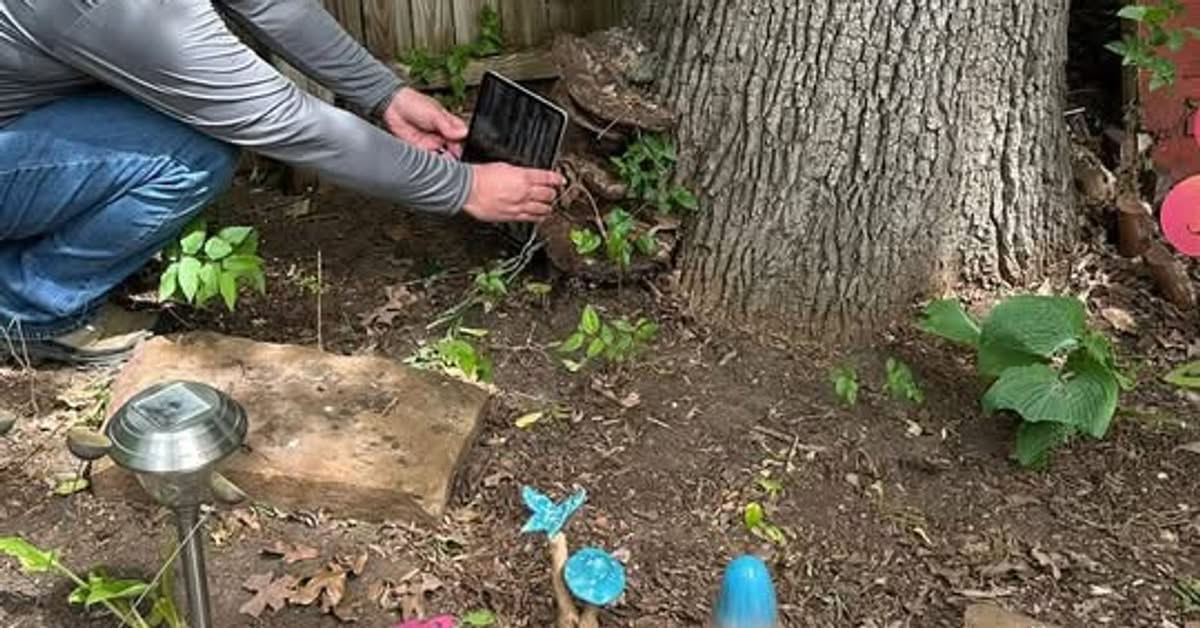
A Sonic Tomography Assessment from Davis Family Arbor Services is an advanced, non-invasive diagnostic evaluation used to detect internal decay, cavities, cracks, and structural weaknesses within a tree without drilling, cutting, or causing damage. By using sound wave technology to create a cross-sectional image of the tree’s internal structure, sonic tomography provides objective data that cannot be obtained through visual inspection alone. All testing is performed and interpreted by an ISA Board-Certified Master Arborist (MW-6328B), helping property owners, attorneys, insurance carriers, HOAs, and developers make informed decisions about tree preservation, risk management, and public safety.
Sonic tomography is a specialized professional consulting service and is not included in free tree removal estimates. A written proposal outlining the scope of work, diagnostic procedures, deliverables, and fees is provided before any testing begins. To discuss your project requirements and scheduling, call (918) 818-3898.
What Sonic Tomography Actually Does
Many structural defects cannot be confirmed through visual inspection alone. And with mature trees, the most dangerous defects are the ones hidden inside the trunk – internal decay, hollow columns, cracks along old wound sites, and structural weaknesses that no visual inspection can catch.
Sonic tomography solves that.
Sensors are placed around the trunk. Each sensor sends a controlled sound wave through the wood. Sound travels fast through solid wood and more slowly through decay, cavities, and cracks. The equipment measures the travel time between every sensor pair and builds a cross-sectional image – a tomogram – showing exactly where the wood is sound and where it is not.
The result is a color-coded map of the trunk’s internal condition. Green means intact structural wood. Yellow and red mean decay or cavity. That map tells you, with defensible data, whether the tree is safe to keep, needs mitigation, or has crossed the structural threshold where removal is the honest answer.
No drilling. No cutting. No lasting mark on the tree.
When Tulsa Property Owners Need Sonic Tomography
| Situation | Why Tomography Matters |
|---|---|
| Heritage or high-value trees | Confirm structural integrity before making preservation or removal decisions |
| Trees near homes, driveways, or play areas | Quantify internal conditions where the consequences of failure are high |
| Old wound sites, cavities, or fungal conks | Map decay extent that visual inspection cannot see |
| Post-storm evaluation | Determine whether structural damage extends beyond what is visible |
| HOA or municipal landmark trees | Documented internal-condition evidence for board or public decisions |
| Insurance and legal cases | Defensible written data on tree condition at a specific point in time |
| Pre-removal second opinions | Confirm whether a tree recommended for removal actually needs to come down |
| Real estate transactions | Buyer or lender confidence when large trees influence the deal |
The common thread: high-consequence trees where a guess is not good enough.
How the Testing Works On-Site
- Site walkthrough and target selection. Our arborist identifies the trunk section, or sections, worth testing based on visible symptoms, site risk, and the questions you need answered.
- Sensor placement. Small acoustic sensors are placed at measured intervals around the trunk circumference. Placement is precise but non-damaging.
- Signal generation. A calibrated tap at each sensor sends sound waves through the wood to every other sensor. The equipment records travel times.
- Tomogram generation. Software converts travel-time data into a color-coded internal image of the trunk cross-section at that height.
- Interpretation. A credentialed arborist interprets the tomogram in context – species behavior, wound history, load direction, and site risk – and translates the image into meaningful recommendations.
- Written report. Findings are delivered as a written report with tomogram images, interpretation, and mitigation recommendations.
Multiple cross-sections at different trunk heights can be captured when the question requires it. Sonic tomography is often paired with resistograph testing for higher-resolution decay confirmation at specific points inside the tomogram’s flagged zones.
What the Written Report Includes
- Property overview and inspection date
- Tree identification (species, DBH, canopy spread, location)
- Site conditions and target zone summary
- Color-coded tomogram images at each tested cross-section
- Photographs of external tree condition, wound history, and site context
- Interpretation of internal wood condition
- Structural implications and load considerations
- Prioritized mitigation recommendations
- Reinspection cadence, where applicable
- Signed by an ISA Board-Certified Master Arborist (MW-6328B)
Credentials Behind the Diagnostic
Sonic tomography is only as useful as the arborist interpreting it. A tomogram in the wrong hands is a color picture. In credentialed hands, it is defensible evidence.
- ISA Board-Certified Master Arborist (MW-6328B) – the highest credential offered by the International Society of Arboriculture, held by a small percentage of certified arborists nationally
- ISA Tree Risk Assessment Qualification (TRAQ) – used to translate tomogram findings into formal risk ratings
- American Society of Consulting Arborists (ASCA) Member Firm – actively pursuing Registered Consulting Arborist credentialing, the standard for expert opinions in legal, insurance, and high-stakes contexts.
That combination is why HOA boards, insurance adjusters, developers, and attorneys engage us directly for tomography work.
Why Non-Invasive Diagnostics Matter for Preservation
The alternative to sonic tomography, historically, was either guess-and-cut or invasive drilling. Guess-and-cut removes healthy trees unnecessarily. Invasive testing risks introducing decay pathogens into previously intact wood.
Sonic tomography changes the equation. It gives credentialed arborists real internal data without touching the tree’s structural integrity. For heritage species well-suited to Tulsa County like Bur Oak, Post Oak, Pecan, and Shumard Oak, that means preservation decisions can be based on evidence, not fear.
Tulsa County Conditions That Warrant Tomography
Several local pressures make internal decay a real concern in the Tulsa metro:
- Ice storm damage that opens wounds and invites decay pathogens years after the visible bark heals
- Old topping cuts and improper pruning that create internal decay columns from the original wound site down
- Storm-related trunk splits and cracks where the internal extent is unclear from the outside
- Mature Bur Oaks, Post Oaks, and Pecans with historic scars, lightning strikes, or fire damage
- Trees with confirmed decay pathogens where mapping the affected volume is the difference between structural pruning and removal
Related Diagnostic Services
Sonic tomography is often paired with – and sometimes preceded or followed by:
- Resistograph testing for higher-resolution wood-density readings at specific points
- Tree risk assessment to translate diagnostic findings into formal ISA TRAQ ratings
- Tree health inspection for above-ground condition and pest or disease context
- Air spading when decay concerns extend into the root flare or buttress roots
Fees, Turnaround & Deliverables
- Written proposals are issued before any diagnostic work begins
- Flat-rate pricing based on tree count, cross-sections tested, and reporting requirements
- Written report delivered digitally within 7 to 14 business days of site visit
- Expedited turnaround available for insurance, legal, and closing deadlines
- Discounts available for military, veterans, first responders, and teachers
Service Areas
Davis Family Arbor Services provides professional sonic tomography services throughout northeastern Oklahoma, including:
- Tulsa, OK (74105, 74114, 74131, 74132, 74133, 74135, 74136, 74137, 74145)
- Broken Arrow, OK (74011, 74012, 74014)
- Jenks, OK (74037)
- Bixby, OK (74008)
- Tulsa County, OK
- Wagoner County, OK
We provide sonic tomography services for homeowners, commercial property owners, HOAs, municipalities, developers, insurance clients, attorneys, and legal professionals throughout the region.